

When it comes to the installation of a Jacquard Machine Pulley, many users often wonder if there are any special tools required. As a long - standing supplier of Jacquard Machine Pulleys, I've dealt with numerous customers' inquiries regarding this matter. In this blog, I'll go in - depth to explore whether special tools are needed for the installation of these pulleys and provide some useful insights.
Understanding the Jacquard Machine Pulley
Before discussing the installation tools, it's essential to understand what a Jacquard Machine Pulley is. These pulleys are integral components in Jacquard machines, which are used to create intricate and detailed patterns on textiles. They play a crucial role in the smooth operation of the machine, transferring power and controlling the movement of various parts.
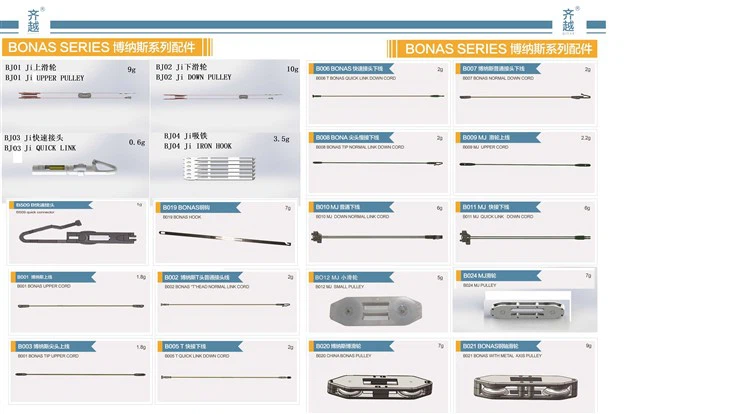
There are different types of Jacquard Machine Pulleys available in the market. For instance, the Bonas Tip Upper Cord is designed to meet specific requirements in certain Jacquard machine models. It has unique features that make it suitable for particular weaving tasks. Another type is the MJ Small Pulley, which is smaller in size but still very important for the precise movement of the machine. And the Bonas New Pulley is a newer version with advanced design and better performance.
General Tools for Pulley Installation
In most cases, the installation of a Jacquard Machine Pulley doesn't necessarily require highly specialized tools. The basic tools that are commonly used in mechanical installations can be sufficient for this task.
Wrenches
Wrenches are perhaps the most fundamental tool for pulley installation. You'll need both open - end wrenches and socket wrenches. Open - end wrenches are useful for quickly loosening or tightening nuts and bolts in areas where socket wrenches may not fit easily. Socket wrenches, on the other hand, provide a more secure grip and are ideal for tightening nuts and bolts to the required torque. For example, when attaching the pulley to the shaft, you'll use wrenches to secure the mounting bolts.
Screwdrivers
Screwdrivers are also essential. Depending on the type of screws used in the pulley and its mounting components, you may need both flat - head and Phillips - head screwdrivers. They are used to remove and install covers, brackets, or any other parts that are secured with screws.
Pliers
Pliers can be handy for holding small parts, bending wires if necessary, or for removing cotter pins. They come in different types, such as needle - nose pliers for reaching into tight spaces and locking pliers for providing a firm grip.

Hammer
A hammer can be used in some situations during the installation process. For example, if a pulley needs to be gently tapped into place on the shaft, a hammer can be used. However, it's important to use a soft - faced hammer to avoid damaging the pulley or the shaft.
Situations Where Special Tools Might Be Needed
While the general tools mentioned above are often sufficient, there are some situations where special tools may be required.
Alignment Tools
Proper alignment of the pulley is crucial for the efficient operation of the Jacquard machine. Misaligned pulleys can cause excessive wear and tear on the belts, shafts, and other components, leading to reduced machine performance and increased maintenance costs. In such cases, laser alignment tools can be used. These tools use a laser beam to accurately measure and adjust the alignment of the pulley with the shaft and other pulleys in the system. Although they are not always necessary for basic installations, they are highly recommended for professional and precise setups.
Torque Wrenches
In some pulley installations, it's important to tighten the bolts to a specific torque value. Over - tightening or under - tightening the bolts can lead to problems such as the pulley coming loose during operation or causing damage to the mounting surface. Torque wrenches are designed to apply a specific amount of torque to the bolts, ensuring that they are tightened correctly.
Installation Process and Tool Usage
Let's take a step - by - step look at the installation process and how the tools are used.
Step 1: Preparation
Before starting the installation, gather all the necessary tools. Inspect the pulley and the mounting area for any damage or debris. Make sure the shaft is clean and free of rust or dirt.
Step 2: Removing the Old Pulley (if applicable)
Use wrenches and screwdrivers to remove the bolts and screws that are holding the old pulley in place. If there are any cotter pins, use pliers to remove them. Carefully slide the old pulley off the shaft.
Step 3: Installing the New Pulley
Place the new pulley on the shaft. Use a hammer to gently tap it into place if necessary. Then, use wrenches to secure the mounting bolts. If a torque wrench is available, use it to tighten the bolts to the recommended torque value.
Step 4: Alignment
If you have alignment tools, use them to check and adjust the alignment of the pulley. Make sure it is properly aligned with the other pulleys in the system.
Step 5: Final Checks
Once the pulley is installed and aligned, use pliers and screwdrivers to double - check that all the small parts are properly secured. Inspect the entire installation to ensure that there are no loose components.
Conclusion
In conclusion, while the installation of a Jacquard Machine Pulley can generally be accomplished with common mechanical tools such as wrenches, screwdrivers, pliers, and a hammer, there are situations where special tools like alignment tools and torque wrenches may be beneficial. As a supplier of Jacquard Machine Pulleys, I always recommend that customers ensure proper installation to maximize the performance and lifespan of the pulleys.
If you're in the market for high - quality Jacquard Machine Pulleys or have any questions regarding their installation, feel free to reach out to us. We're here to provide you with the best products and technical support. Whether you need the Bonas Tip Upper Cord, MJ Small Pulley, or Bonas New Pulley, we have a wide range of options to meet your needs. Contact us today to start a purchase negotiation and take your Jacquard machine to the next level.
References
- Machinery's Handbook, Industrial Press Inc.
- Textile Machinery Maintenance Manuals