

As a supplier of Jacquard machines, I understand the importance of ensuring these complex pieces of equipment operate smoothly. Jacquard machines are essential in the textile industry, enabling the creation of intricate patterns on fabrics. However, like any machinery, they can encounter common problems that may disrupt production. In this blog post, I'll share some practical tips on how to troubleshoot these issues.
1. Electrical and Power - Related Problems
Power Failures
One of the most common problems is a power failure. If your Jacquard machine suddenly stops working, the first step is to check the power supply. Ensure that the machine is properly plugged into a functioning outlet. You can test the outlet by plugging in another device. If the outlet is working fine, examine the power cord of the Jacquard machine for any signs of damage, such as fraying or cuts.
Sometimes, the issue might be with the circuit breaker. Check the breaker box and see if the switch corresponding to the Jacquard machine has tripped. If it has, reset the breaker. However, if it trips again immediately, there could be a short - circuit within the machine. In this case, it's advisable to contact a professional electrician or our technical support team for further inspection.
For more information on our Power Jacquard Machine, which has a reliable power system, you can visit the provided link.
Electrical Component Malfunctions
Over time, electrical components in the Jacquard machine, such as relays, capacitors, and fuses, may wear out. If you notice abnormal behavior like intermittent operation or error messages related to electrical systems, these components could be the culprit.
Start by visually inspecting the components for any signs of damage, such as burnt marks or swelling. Replace any faulty fuses with the appropriate rating. If you're unsure about which component is malfunctioning, our technical documentation or support team can guide you through the diagnostic process.
2. Mechanical Issues
Loose or Worn - Out Parts
Mechanical parts in a Jacquard machine can become loose or worn out due to continuous use. Check for any loose bolts, nuts, or screws. Tighten them using the appropriate tools. Loose parts can cause vibrations and misalignments, which may affect the quality of the fabric patterns.
Inspect belts, chains, and gears for signs of wear. Worn - out belts may slip, while damaged gears can lead to inaccurate pattern formation. If you find any parts that are severely worn, replace them as soon as possible. You can source genuine replacement parts from our company to ensure compatibility and optimal performance.
Misalignment
Misalignment of mechanical components can also cause problems. For example, if the needles or the pattern - selection mechanism is misaligned, the fabric may have incomplete or distorted patterns. Use alignment tools and follow the manufacturer's instructions to realign the parts. If you're still having trouble with alignment, our technical experts can provide on - site assistance or detailed guidance over the phone.
3. Software and Programming Problems
Error Messages
Modern Jacquard machines are often controlled by software. When the machine displays error messages, refer to the user manual first. The manual usually has a troubleshooting section that explains the meaning of different error codes and provides solutions.

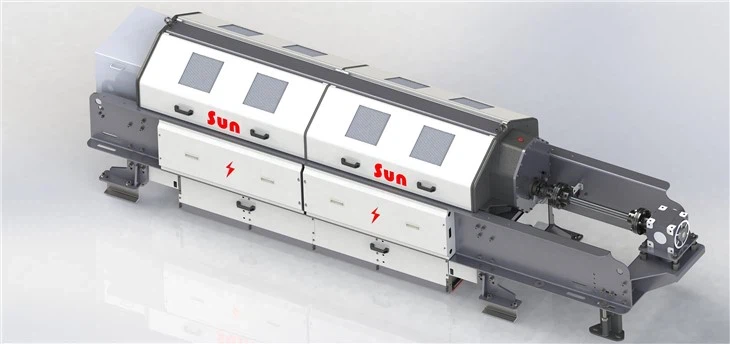
Sometimes, error messages can be caused by software glitches. Try restarting the machine and the control system. If the problem persists, check for software updates. Our company regularly releases software updates to improve performance and fix bugs. You can download the latest software from our official website and follow the installation instructions carefully.
Incorrect Pattern Programming
If the fabric patterns are not coming out as expected, it could be due to incorrect programming. Double - check the pattern design file for any errors. Make sure that the file is in the correct format supported by the Jacquard machine. You may need to adjust the stitch density, color settings, or other parameters in the pattern design software.
Our Saree High Speed Rapier Loom Jaquard Machine comes with user - friendly software that simplifies pattern programming. If you need assistance with programming, our customer support team can provide training and guidance.
4. Yarn and Thread - Related Problems
Thread Breakage
Thread breakage is a common issue in Jacquard machines. It can be caused by several factors, such as high tension, rough surfaces in the thread path, or poor - quality yarn. Check the thread tension settings on the machine. Adjust the tension according to the type and thickness of the yarn being used.
Inspect the thread guides, eyelets, and other components in the thread path for any rough edges or debris. Clean them carefully to ensure smooth thread passage. If the problem persists, consider using higher - quality yarn.
Tangled Threads
Tangled threads can disrupt the weaving process. To prevent tangles, make sure the yarn is properly wound on the bobbins. Use anti - tangle devices if available. When loading the yarn onto the machine, follow the correct threading sequence as described in the user manual.
5. Maintenance - Related Problems
Lack of Lubrication
Proper lubrication is crucial for the smooth operation of a Jacquard machine. Over time, the lubricants may dry out or become contaminated. Check the lubrication points in the machine regularly and apply the recommended lubricant according to the manufacturer's schedule.
Using the wrong type of lubricant can also cause problems. Make sure to use the lubricants specified in the machine's documentation. Our Towel Jacquard Machine has clear instructions on lubrication, which helps in reducing mechanical wear and tear.
Dirt and Dust Accumulation
Dirt and dust can accumulate inside the machine, especially in areas where moving parts are located. This can cause increased friction, overheating, and even damage to components. Use compressed air or a soft brush to clean the machine regularly. Pay special attention to areas around the needles, sensors, and electrical connections.
Conclusion
Troubleshooting common problems with a Jacquard machine requires a systematic approach. By following the steps outlined above, you can identify and resolve many issues on your own. However, if you encounter problems that you're unable to solve, don't hesitate to contact our technical support team.
We are committed to providing high - quality Jacquard machines and excellent after - sales service. If you're interested in purchasing a new Jacquard machine or need replacement parts, feel free to reach out to us for a detailed discussion. We can offer customized solutions based on your specific requirements in the textile production process.
References
- Manufacturer's User Manual for Jacquard Machines
- Technical Documentation provided by our Company
- Industry Standards for Textile Machinery Maintenance and Troubleshooting