

As a seasoned supplier of Jacquard Controllers, I've witnessed firsthand the pivotal role these devices play in the textile industry. These controllers are the nerve center of jacquard looms, enabling the creation of intricate and detailed patterns on fabrics. However, like any complex machinery, Jacquard Controllers are prone to a variety of faults that can disrupt production and affect the quality of the final product. In this blog post, I'll delve into the common faults of a Jacquard Controller, providing insights into their causes and potential solutions.
1. Electrical Faults
One of the most prevalent issues with Jacquard Controllers is electrical faults. These can manifest in several ways, from minor glitches to complete system failures.
Power Supply Problems
A stable power supply is crucial for the proper functioning of a Jacquard Controller. Fluctuations in voltage or power outages can cause the controller to malfunction. For instance, if the power supply voltage drops below the recommended level, the controller may experience erratic behavior, such as incorrect pattern execution or intermittent shutdowns. On the other hand, a sudden surge in voltage can damage sensitive electronic components within the controller.
To mitigate power supply problems, it's essential to use a reliable power source and install a voltage stabilizer. Regularly inspect the power cables and connectors for signs of damage or loose connections.
Circuit Board Issues
The circuit board is the heart of the Jacquard Controller, housing all the electronic components that control its operation. Over time, circuit boards can develop faults due to factors such as overheating, moisture, or physical damage. Common circuit board issues include short circuits, broken traces, and component failures.
Short circuits occur when two conductive paths on the circuit board come into contact, causing a sudden surge in current. This can damage the affected components and potentially lead to a complete system failure. Broken traces, on the other hand, can disrupt the flow of electricity, resulting in malfunctioning parts of the controller.
To diagnose circuit board issues, it's necessary to use specialized testing equipment, such as a multimeter or an oscilloscope. If a fault is detected, the damaged components may need to be replaced, or the circuit board may need to be repaired or replaced entirely.
2. Mechanical Faults
Mechanical faults can also cause problems with Jacquard Controllers. These faults typically involve the moving parts of the controller, such as the motors, gears, and pulleys.
Motor Failures
The motors in a Jacquard Controller are responsible for driving the various mechanical components, such as the needles and the pattern selection mechanism. Motor failures can occur due to a variety of reasons, including overheating, wear and tear, or electrical problems.
Overheating is a common cause of motor failure. When a motor operates at high temperatures for an extended period, the insulation on the windings can break down, leading to a short circuit. Wear and tear can also cause motor failure, as the moving parts of the motor can become worn over time, reducing its efficiency and eventually causing it to stop working.
To prevent motor failures, it's important to ensure that the motors are properly lubricated and cooled. Regularly inspect the motors for signs of overheating, such as a burning smell or excessive noise. If a motor shows signs of failure, it should be replaced as soon as possible to avoid further damage to the controller.
Gear and Pulley Issues
Gears and pulleys are essential components of a Jacquard Controller, as they transmit power from the motors to the various mechanical parts. However, these components can experience problems over time, such as wear and tear, misalignment, or damage.
Wear and tear can cause the teeth on the gears to become worn, reducing their ability to transmit power efficiently. Misalignment can also cause problems, as it can lead to uneven wear on the gears and pulleys, and can even cause them to break. Damage to the gears and pulleys can occur due to factors such as physical impact or excessive stress.
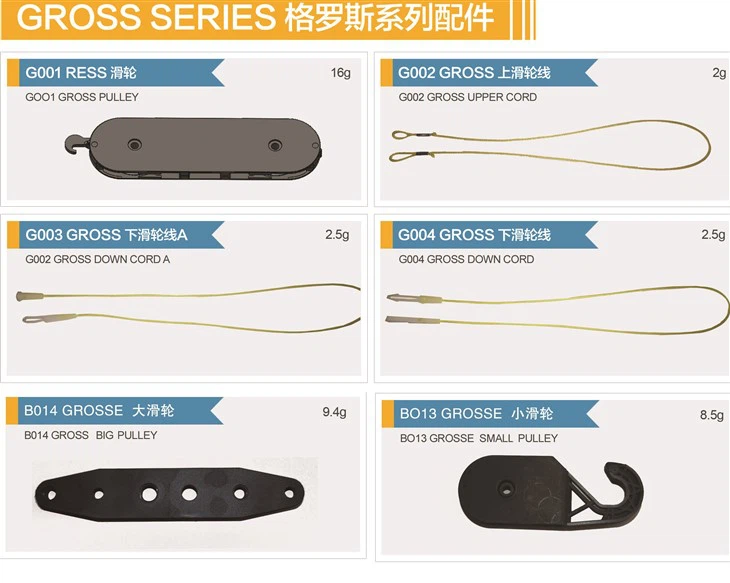
To address gear and pulley issues, it's important to regularly inspect these components for signs of wear and tear. If necessary, the gears and pulleys can be replaced or realigned to ensure proper operation. For more information on specific components like Gross Upper Cord, Gross Small Pulley, and Gross Down Cord, you can visit the provided links.
3. Software and Programming Faults
In addition to electrical and mechanical faults, Jacquard Controllers can also experience software and programming issues. These faults can affect the controller's ability to execute patterns correctly and can lead to production errors.
Programming Errors
Programming errors are a common cause of software faults in Jacquard Controllers. These errors can occur during the pattern design process or when the program is being uploaded to the controller. Common programming errors include incorrect pattern data, missing commands, or syntax errors.
Incorrect pattern data can cause the controller to produce incorrect patterns on the fabric. Missing commands can result in the controller skipping certain steps in the pattern execution process, leading to incomplete or distorted patterns. Syntax errors, on the other hand, can prevent the program from being uploaded to the controller correctly.
To avoid programming errors, it's important to use reliable pattern design software and to double-check the pattern data before uploading it to the controller. Regularly update the software on the controller to ensure compatibility with the latest pattern design tools.
Software Glitches
Software glitches can also cause problems with Jacquard Controllers. These glitches can occur due to factors such as software bugs, conflicts with other software programs, or issues with the operating system.
Software bugs are errors in the programming code that can cause the controller to malfunction. Conflicts with other software programs can occur when two or more programs try to access the same resources on the controller, leading to errors or crashes. Issues with the operating system can also cause problems, as the controller relies on the operating system to manage its resources and execute commands.
To address software glitches, it's important to keep the software on the controller up to date. If a glitch occurs, try restarting the controller and the pattern design software. If the problem persists, contact the software vendor for support.
4. Sensor and Communication Faults
Jacquard Controllers rely on sensors and communication systems to monitor the operation of the loom and to receive and transmit pattern data. Faults in these systems can cause problems with the controller's performance.
Sensor Failures
Sensors are used in Jacquard Controllers to detect various parameters, such as the position of the needles, the tension of the yarn, and the speed of the loom. Sensor failures can occur due to factors such as physical damage, electrical problems, or calibration issues.
Physical damage to the sensors can occur due to factors such as impact or vibration. Electrical problems can cause the sensors to malfunction, such as a short circuit or a broken wire. Calibration issues can also cause problems, as inaccurate sensor readings can lead to incorrect pattern execution.
To diagnose sensor failures, it's necessary to use specialized testing equipment to check the sensor's output. If a sensor is found to be faulty, it should be replaced as soon as possible.
Communication Issues
Communication issues can also cause problems with Jacquard Controllers. These issues can occur between the controller and the pattern design software, between the controller and the loom, or between multiple controllers in a networked system.
Common communication issues include data transmission errors, network connectivity problems, and compatibility issues. Data transmission errors can occur due to factors such as interference, noise, or incorrect settings. Network connectivity problems can prevent the controller from communicating with other devices in the system, leading to production delays. Compatibility issues can occur when the controller and the other devices in the system are not using the same communication protocols or software versions.

To address communication issues, it's important to ensure that the communication cables and connectors are properly installed and functioning correctly. Check the network settings and the communication protocols to ensure compatibility. If necessary, update the software on the controller and the other devices in the system.
Conclusion
In conclusion, Jacquard Controllers are complex devices that are prone to a variety of faults. By understanding the common faults and their causes, textile manufacturers can take proactive measures to prevent these issues from occurring and to minimize their impact on production. Regular maintenance, proper installation, and the use of high-quality components are essential for ensuring the reliable operation of Jacquard Controllers.
If you're experiencing problems with your Jacquard Controller or are looking to purchase a new one, I invite you to contact us. As a leading supplier of Jacquard Controllers, we have the expertise and the products to meet your needs. We offer a wide range of controllers, as well as comprehensive support and maintenance services. Let's discuss how we can help you improve the efficiency and productivity of your textile production.
References
- Textile Machinery Handbook, various editions
- Journal of Textile Technology, multiple issues related to jacquard loom technology
- Manufacturer's manuals for Jacquard Controllers