

Textile machinery pulleys are crucial components in the textile industry, responsible for transmitting power and ensuring the smooth operation of various machines. As a trusted supplier of Textile Machinery Pulleys, I understand the significance of proper maintenance intervals to keep these pulleys in optimal condition. In this blog, I will delve into the factors that influence the maintenance intervals for textile machinery pulleys and provide some general guidelines to help you maintain your equipment effectively.
Factors Affecting Maintenance Intervals
Operating Conditions
The operating conditions of textile machinery play a significant role in determining the maintenance intervals for pulleys. Pulleys that operate in harsh environments, such as high temperatures, high humidity, or dusty conditions, are more likely to experience wear and tear. For example, in a textile factory where there is a lot of lint and dust in the air, the pulleys may accumulate debris over time, which can lead to increased friction and premature wear. In such cases, more frequent maintenance may be required to prevent damage to the pulleys.
Load and Speed
The load and speed at which the pulleys operate also affect their maintenance intervals. Pulleys that are subjected to heavy loads or high speeds are more likely to experience stress and fatigue. For instance, if a pulley is used to drive a large spinning machine that operates at a high speed, it will be under more stress than a pulley used in a slower, less demanding application. As a result, the maintenance intervals for high-load and high-speed pulleys may need to be shorter to ensure their reliability and longevity.
Quality of the Pulleys
The quality of the pulleys themselves is another important factor. High-quality pulleys are typically made from better materials and are manufactured to more precise tolerances. They are more resistant to wear, corrosion, and other forms of damage. If you invest in high-quality textile machinery pulleys from a reputable supplier, you may be able to extend the maintenance intervals compared to using lower-quality pulleys.
Lubrication
Proper lubrication is essential for the smooth operation of textile machinery pulleys. Lubrication reduces friction between the pulley and the belt or chain, which helps to prevent wear and heat generation. However, the lubricant can degrade over time, especially in high-temperature or high-humidity environments. Therefore, the frequency of lubrication and lubricant replacement is an important part of the maintenance schedule.
General Maintenance Intervals
Visual Inspections
Visual inspections should be carried out regularly, at least once a week. During these inspections, you should check for any signs of wear, such as cracks, chips, or excessive wear on the pulley surface. You should also look for any signs of misalignment, which can cause uneven wear on the pulleys and belts. If you notice any issues during the visual inspection, you should take immediate action to address them.
Lubrication
The frequency of lubrication depends on the type of pulley and the operating conditions. In general, pulleys should be lubricated every 1 - 3 months. However, in high-temperature or high-speed applications, lubrication may need to be done more frequently, perhaps every 2 - 4 weeks. It is important to use the correct type of lubricant recommended by the pulley manufacturer.
Belt or Chain Tension Checks
Belt or chain tension should be checked every 1 - 2 months. Incorrect tension can cause excessive wear on the pulleys and belts, as well as reduce the efficiency of the power transmission. You can use a tension gauge to measure the tension and adjust it as needed.
Pulley Replacement
The lifespan of a textile machinery pulley can vary depending on the factors mentioned above. On average, pulleys may need to be replaced every 1 - 5 years. However, in harsh operating conditions or high-load applications, replacement may be required more frequently, perhaps every 1 - 2 years.
Specific Pulleys and Their Maintenance Considerations
QH Connecting Rod
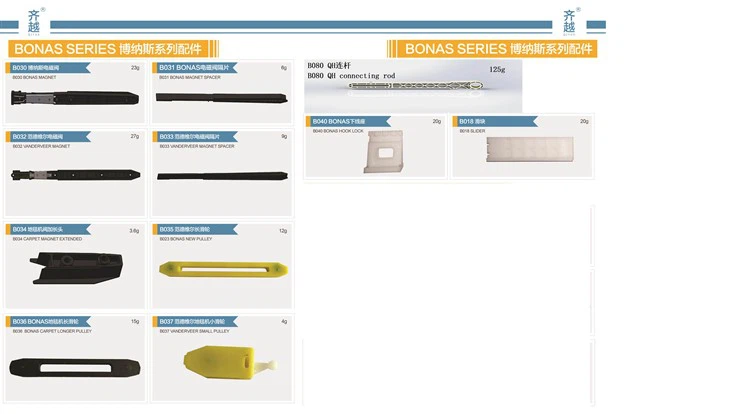
The QH Connecting Rod is a critical component in many textile machines. It is important to inspect the connecting rod for any signs of bending or wear. The lubrication of the QH Connecting Rod should be done every 2 - 3 months to ensure smooth operation. Regularly check the connection points to make sure they are secure.
Vanderveer Small Pulley
The Vanderveer Small Pulley is often used in precision applications. Due to its small size and potentially high-speed operation, it is more susceptible to wear. Visual inspections should be carried out more frequently, perhaps twice a week. Lubrication should be done every 2 - 4 weeks, and the belt tension should be checked every month.
Bonas Upper Cord
The Bonas Upper Cord is an important part of the Jacquard pulley system. It is crucial to keep the cord clean and free from debris. Visual inspections should be done weekly to check for any signs of fraying or damage. The cord may need to be replaced every 2 - 3 years, depending on the usage.
Importance of Adhering to Maintenance Intervals
Adhering to the recommended maintenance intervals for textile machinery pulleys is crucial for several reasons. Firstly, it helps to ensure the reliability of the machinery. By regularly inspecting and maintaining the pulleys, you can prevent unexpected breakdowns, which can lead to costly production delays. Secondly, proper maintenance can extend the lifespan of the pulleys, reducing the need for frequent replacements and saving you money in the long run. Finally, well-maintained pulleys contribute to the overall efficiency of the textile machinery, resulting in better product quality and lower energy consumption.

Conclusion
As a supplier of Textile Machinery Pulleys, I highly recommend that you follow the appropriate maintenance intervals for your pulleys. By doing so, you can ensure the smooth operation of your textile machinery, improve its reliability, and extend its lifespan. If you have any questions about the maintenance of our pulleys or need further advice, please feel free to contact us. We are always ready to assist you in making the most of your textile machinery pulleys and ensuring the success of your textile production.
References
- "Textile Machinery Handbook", published by a leading industry publisher.
- Manufacturer's manuals for various textile machinery pulleys.