

Jacquard harness pulleys play a crucial role in the textile industry, especially in the operation of jacquard looms. These pulleys are integral components that facilitate the intricate pattern - making process on fabrics. As a supplier of Jacquard harness pulleys, I have in - depth knowledge of the different types available in the market and their unique characteristics. In this blog, we will explore the differences between various types of Jacquard harness pulleys.
Material and Durability
One of the primary factors that distinguish different types of Jacquard harness pulleys is the material used in their construction. Pulleys can be made from a variety of materials, including metal, plastic, and composite materials.
Metal pulleys, typically made of steel or aluminum, are known for their high durability and strength. Steel pulleys can withstand heavy loads and are resistant to wear and tear. They are suitable for high - speed and high - volume weaving operations where reliability is crucial. For example, in large - scale textile factories that produce heavy - duty fabrics such as denim or canvas, steel pulleys are often the preferred choice. On the other hand, aluminum pulleys are lighter than steel, which can reduce the overall weight of the jacquard loom and potentially lower energy consumption. However, they may not be as strong as steel and are more prone to dents if mishandled.
Plastic pulleys are another option. They are generally less expensive than metal pulleys and offer good resistance to corrosion. Plastic pulleys are often used in smaller - scale or home - based weaving operations where the load requirements are not as high. They are also quieter in operation compared to metal pulleys, which can be an advantage in a noise - sensitive environment. Composite pulleys, which combine the properties of different materials, aim to provide a balance between strength, weight, and cost. They may use a combination of plastic and fiber - reinforced materials to achieve optimal performance.
Size and Design
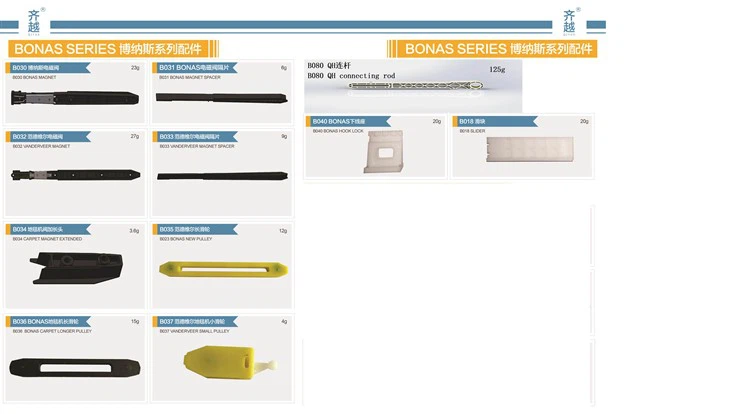
The size and design of Jacquard harness pulleys also vary significantly. Smaller pulleys, such as the Vanderveer Small Pulley, are often used in applications where space is limited or where a more precise movement is required. These small pulleys can be part of a complex system of pulleys and levers that control the movement of the harness cords with high accuracy. They are commonly found in jacquard looms designed for fine - detailed fabric production, such as silk scarves or intricate lace patterns.
Larger pulleys, on the other hand, can handle more substantial loads and are used in looms that produce wider or heavier fabrics. Their larger diameter allows for a greater range of motion and can transmit more power, which is essential for large - scale textile manufacturing.
In terms of design, some pulleys have a simple, smooth surface, while others may have grooves or teeth. Grooved pulleys are designed to hold the harness cords in place more securely, preventing them from slipping during operation. This is particularly important in high - speed weaving processes where any slippage can result in pattern errors. Toothed pulleys, similar to those used in timing belt systems, offer even more precise control over the movement of the harness cords. They are often used in advanced jacquard looms that require highly accurate pattern reproduction.
Connection and Compatibility
The way Jacquard harness pulleys are connected to other components of the jacquard loom is also a key differentiator. There are various connection methods, each with its own advantages.
The Bonas Hook is a type of connection mechanism that provides a secure and reliable way to attach the pulley to the harness system. It is designed to be easy to install and remove, which can be beneficial for maintenance and replacement purposes. The Bonas Hook allows for quick adjustments and ensures that the pulley remains firmly in place during operation.
Another connection option is the Quick Connector. As the name suggests, it enables rapid connection and disconnection of the pulley. This is particularly useful in situations where the loom needs to be reconfigured frequently to produce different fabric patterns. Quick connectors can save time and labor costs by reducing the downtime associated with changing the pulley setup.
Compatibility is also an important consideration. Different types of jacquard looms may require specific types of pulleys to function properly. Some pulleys are designed to be compatible with a wide range of loom models, while others are custom - made for a particular brand or type of loom. As a supplier, it is our responsibility to ensure that customers receive pulleys that are fully compatible with their existing equipment.

Performance and Precision
The performance and precision of Jacquard harness pulleys can vary depending on their type. High - precision pulleys are essential for producing fabrics with complex and accurate patterns. For example, in the production of high - end upholstery fabrics or designer clothing, even the slightest deviation in the movement of the harness cords can result in visible flaws in the pattern.
Pulleys that are well - balanced and have a smooth surface finish can contribute to better performance. They reduce friction, which not only improves the efficiency of the loom but also extends the lifespan of the harness cords. Additionally, pulleys with advanced bearing systems can further enhance precision and reduce wear.
In contrast, lower - precision pulleys may be suitable for more basic fabric production, such as plain - weave fabrics or simple patterns. These pulleys are often more cost - effective and can meet the requirements of less demanding applications.
Cost and Value
Cost is always a significant factor when choosing Jacquard harness pulleys. Generally, metal pulleys, especially those made of high - quality steel, tend to be more expensive than plastic or composite pulleys. However, they also offer greater durability and performance, which can result in long - term cost savings. For example, a steel pulley may last longer and require fewer replacements compared to a plastic pulley, reducing the overall cost of ownership.
The value of a pulley is not just determined by its price but also by its performance, compatibility, and ease of use. A more expensive pulley that provides high precision and reliability may be a better investment for a textile manufacturer who produces high - end fabrics, as it can help maintain the quality of the products and reduce production errors. On the other hand, for a small - scale weaver on a tight budget, a more affordable plastic pulley may offer sufficient performance for their needs.
Conclusion
In conclusion, there are many differences between different types of Jacquard harness pulleys, including material, size, design, connection method, performance, and cost. As a supplier of these pulleys, we understand the importance of helping our customers choose the right type of pulley for their specific needs. Whether you are a large - scale textile manufacturer looking for high - performance metal pulleys or a hobbyist weaver in need of an affordable plastic pulley, we have a wide range of products to meet your requirements.
If you are interested in learning more about our Jacquard harness pulleys or would like to discuss your specific needs for a procurement, we encourage you to reach out to us. Our team of experts is ready to provide you with detailed information and assist you in making the best choice for your jacquard loom.
References
- Textile Machinery Handbook, various editions
- Journal of Textile Technology, multiple issues on jacquard loom components
- Manufacturer's manuals for different jacquard looms and pulley systems