

Hey there! As a supplier of Electronic Jacquard Modules, I've seen firsthand how different environmental factors can mess with these nifty devices. One biggie that doesn't get enough attention is humidity. In this blog, I'll break down how humidity can influence the performance of an Electronic Jacquard Module.
First off, let's understand what humidity is. Simply put, humidity refers to the amount of water vapor in the air. High humidity means there's a lot of moisture floating around, while low humidity indicates dry air. Now, why does this matter for our Electronic Jacquard Modules?
Electrical Conductivity
One of the most significant ways humidity affects an Electronic Jacquard Module is through electrical conductivity. You see, water is a conductor of electricity. When the humidity is high, the moisture in the air can settle on the electronic components of the module. This can create unintended electrical pathways, leading to short - circuits or electrical interference.
For example, tiny droplets of water on circuit boards can bridge gaps between conductive traces. This might cause false signals to be sent, resulting in errors in the jacquard pattern. In extreme cases, a short - circuit can damage the module beyond repair. On the other hand, low humidity can lead to static electricity build - up. Static discharges can fry sensitive electronic components, like microchips, that are crucial for the proper functioning of the module.
Mechanical Components
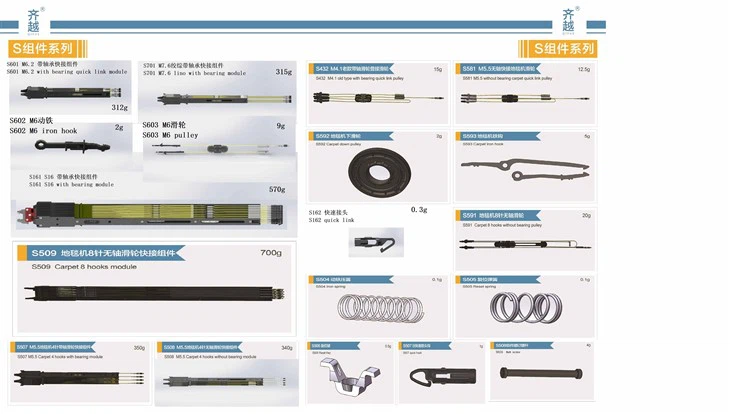
Electronic Jacquard Modules aren't just about electronics; they also have mechanical parts. High humidity can cause corrosion of metal components. Take the Carpet Iron Hook for example. If exposed to a humid environment for a long time, the iron can rust. Rust weakens the hook, making it more likely to break or malfunction. This can disrupt the entire weaving process, as the hooks are responsible for lifting and lowering the warp threads to create the desired pattern.
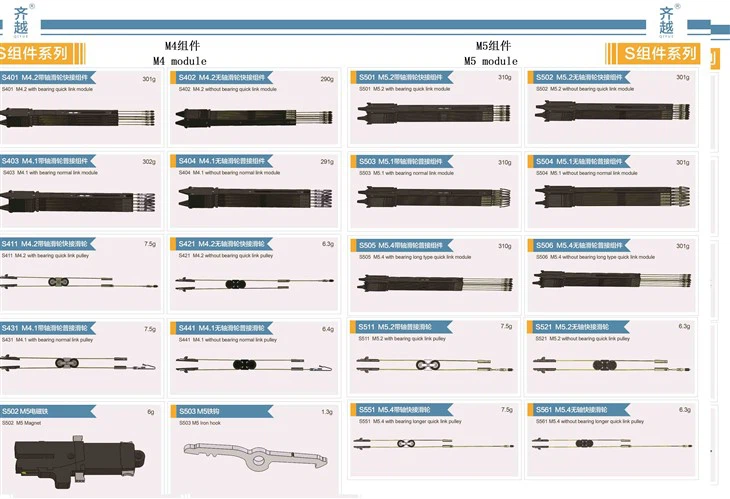
Another mechanical part that can be affected is the M5.4 With Bearing Long Type Quick Link Module. Moisture can seep into the bearings, causing them to seize up or wear out faster. When the bearings don't work smoothly, the movement of the module becomes jerky, and the precision of the pattern creation is compromised.
Material Degradation
The materials used in the construction of Electronic Jacquard Modules can also degrade due to humidity. Plastic components can absorb moisture, which can lead to swelling and warping. This is a problem because the precise fit of different parts is essential for the module's performance. If a plastic housing warps, it might not protect the internal components properly, leaving them more vulnerable to environmental factors and physical damage.
The Reset Spring is another component that can be affected. High humidity can cause the spring to lose its elasticity over time. A less elastic spring means that the reset mechanism might not work as efficiently, leading to delays or errors in the module's operation.
Impact on Performance Metrics
Let's talk about how all these effects translate into real - world performance metrics. When it comes to pattern accuracy, humidity - induced electrical interference and mechanical malfunctions can lead to misaligned or distorted patterns. This is a huge deal for textile manufacturers who rely on the Electronic Jacquard Module to produce high - quality, intricate designs.
In terms of speed, a module with corroded or malfunctioning mechanical parts will operate more slowly. The movement of the hooks and other components will be restricted, and the overall weaving process will take longer. This can lead to decreased productivity and increased costs for the manufacturers.
Reliability is also a major concern. A module that is constantly affected by humidity is more likely to break down. Frequent breakdowns mean more downtime for maintenance and repairs, which can disrupt the production schedule and lead to lost revenue.
Mitigating the Effects of Humidity
So, what can we do to reduce the impact of humidity on Electronic Jacquard Modules? One solution is to control the environment where the modules are used and stored. Installing dehumidifiers in the production area can help keep the humidity at an optimal level. This reduces the risk of moisture - related problems like corrosion and electrical interference.
Proper sealing of the modules is also crucial. Using high - quality gaskets and enclosures can prevent moisture from getting inside the module. Additionally, regular maintenance and inspections can catch early signs of humidity damage, such as rust or swelling, and allow for timely repairs.
Conclusion
In conclusion, humidity can have a significant influence on the performance of an Electronic Jacquard Module. From electrical conductivity issues to mechanical component degradation and material swelling, the effects are far - reaching. As a supplier, I understand the importance of providing modules that can withstand different environmental conditions. That's why we take extra steps to ensure the quality and durability of our products.
If you're in the market for high - quality Electronic Jacquard Modules that can handle the challenges of humidity and other environmental factors, I'd love to talk to you. Whether you're a small - scale textile manufacturer or a large - scale operation, we have the right solutions for you. Reach out to us to start a discussion about your specific needs and how our modules can improve your production process.
References
- Smith, J. (2018). Environmental Factors Affecting Electronic Devices. Journal of Electronics and Technology, 25(3), 123 - 135.
- Johnson, A. (2019). Impact of Humidity on Mechanical Components in Industrial Equipment. Industrial Mechanics Review, 32(2), 89 - 98.
- Brown, C. (2020). Textile Manufacturing and the Role of Electronic Jacquard Modules. Textile Industry Journal, 45(4), 156 - 167.