

The jacquard machine, a marvel of textile technology, has revolutionized the way intricate patterns are woven into fabrics. At the heart of this complex machinery lies the pulley system, a crucial component that plays a vital role in transmitting power and motion. As a leading supplier of Jacquard Machine Pulleys, we understand the importance of torque transmission in these systems and are often asked about the maximum torque a Jacquard Machine Pulley can transmit. In this blog post, we will delve into the factors that determine this maximum torque and provide insights into how our pulleys are designed to optimize performance.
Understanding Torque in Jacquard Machine Pulleys
Torque, in simple terms, is the rotational force applied to an object. In the context of a Jacquard Machine Pulley, torque is the force that causes the pulley to rotate and transmit power to other parts of the machine. The maximum torque a pulley can transmit is determined by several factors, including the material of the pulley, its size and design, the type of belt or chain used, and the operating conditions of the machine.
Material of the Pulley
The material of the pulley is one of the most important factors affecting its torque transmission capacity. Pulleys can be made from a variety of materials, including cast iron, steel, aluminum, and plastic. Each material has its own unique properties that influence its strength, durability, and ability to transmit torque.
- Cast Iron: Cast iron pulleys are known for their high strength and durability. They are able to withstand high loads and are resistant to wear and tear. However, cast iron is a relatively heavy material, which can increase the inertia of the pulley system and make it more difficult to start and stop the machine.
- Steel: Steel pulleys are also strong and durable, but they are lighter than cast iron pulleys. This makes them a good choice for applications where weight is a concern. Steel pulleys can be heat-treated to increase their strength and hardness, making them suitable for high-torque applications.
- Aluminum: Aluminum pulleys are lightweight and corrosion-resistant. They are often used in applications where weight reduction is important, such as in high-speed machinery. However, aluminum is not as strong as cast iron or steel, so aluminum pulleys may not be suitable for high-torque applications.
- Plastic: Plastic pulleys are lightweight, inexpensive, and corrosion-resistant. They are often used in applications where noise reduction is important, such as in office equipment and consumer products. However, plastic pulleys are not as strong as metal pulleys, so they may not be suitable for high-torque applications.
Size and Design of the Pulley
The size and design of the pulley also play a role in its torque transmission capacity. Larger pulleys generally have a higher torque transmission capacity than smaller pulleys because they have a larger surface area for the belt or chain to grip. The shape of the pulley, such as its diameter, width, and groove profile, can also affect its torque transmission capacity.
- Diameter: The diameter of the pulley affects its speed and torque. A larger diameter pulley will rotate more slowly but will be able to transmit more torque than a smaller diameter pulley.
- Width: The width of the pulley affects the amount of contact area between the belt or chain and the pulley. A wider pulley will have more contact area, which can increase the torque transmission capacity.
- Groove Profile: The groove profile of the pulley affects the grip of the belt or chain. A pulley with a deeper groove will provide a better grip, which can increase the torque transmission capacity.
Type of Belt or Chain
The type of belt or chain used in the pulley system also affects the torque transmission capacity. Different types of belts and chains have different properties, such as strength, flexibility, and grip, which can influence their ability to transmit torque.
- V-Belts: V-belts are one of the most common types of belts used in pulley systems. They are made of rubber or synthetic materials and have a V-shaped cross-section. V-belts are able to transmit high torque because they have a large contact area with the pulley and are able to grip the pulley tightly.
- Timing Belts: Timing belts are another type of belt used in pulley systems. They are made of rubber or synthetic materials and have teeth on the inside surface. Timing belts are able to transmit high torque because they have a positive engagement with the pulley and are able to prevent slippage.
- Chains: Chains are a type of mechanical drive that uses a series of interconnected links to transmit power. Chains are able to transmit high torque because they have a high strength and are able to withstand high loads. However, chains require more maintenance than belts and can be noisy.
Operating Conditions of the Machine
The operating conditions of the machine, such as the speed, temperature, and humidity, can also affect the torque transmission capacity of the pulley. High speeds, high temperatures, and high humidity can all reduce the strength and durability of the pulley and the belt or chain, which can decrease the torque transmission capacity.
- Speed: The speed of the machine affects the centrifugal force acting on the pulley and the belt or chain. At high speeds, the centrifugal force can cause the belt or chain to stretch or slip, which can decrease the torque transmission capacity.
- Temperature: The temperature of the machine affects the strength and durability of the pulley and the belt or chain. High temperatures can cause the pulley and the belt or chain to expand, which can decrease the grip between them and reduce the torque transmission capacity.
- Humidity: The humidity of the machine affects the corrosion resistance of the pulley and the belt or chain. High humidity can cause the pulley and the belt or chain to rust or corrode, which can decrease the strength and durability of the components and reduce the torque transmission capacity.
Calculating the Maximum Torque of a Jacquard Machine Pulley
The maximum torque a Jacquard Machine Pulley can transmit can be calculated using the following formula:
[T = F \times r]
where (T) is the torque in Newton-meters (Nm), (F) is the force in Newtons (N), and (r) is the radius of the pulley in meters (m).
The force (F) can be calculated using the following formula:
[F = \mu \times N]
where (\mu) is the coefficient of friction between the belt or chain and the pulley, and (N) is the normal force in Newtons (N).

The normal force (N) can be calculated using the following formula:
[N = \frac{P}{v}]
where (P) is the power in Watts (W), and (v) is the velocity in meters per second (m/s).
By combining these formulas, we can calculate the maximum torque a Jacquard Machine Pulley can transmit. However, it is important to note that these calculations are based on ideal conditions and do not take into account factors such as the operating conditions of the machine, the type of belt or chain used, and the material of the pulley. In practice, the maximum torque a pulley can transmit may be lower than the calculated value.
Our Jacquard Machine Pulleys
As a leading supplier of Jacquard Machine Pulleys, we offer a wide range of pulleys that are designed to meet the specific needs of our customers. Our pulleys are made from high-quality materials, such as cast iron, steel, and aluminum, and are precision-engineered to ensure optimal performance.
We also offer a variety of belt and chain options to suit different applications. Our belts and chains are made from high-quality materials, such as rubber, synthetic materials, and steel, and are designed to provide high strength, durability, and grip.
In addition to our standard pulleys and belts, we also offer custom-designed pulleys and belts to meet the unique requirements of our customers. Our experienced engineering team can work with you to design and manufacture pulleys and belts that are tailored to your specific application.
Related Products
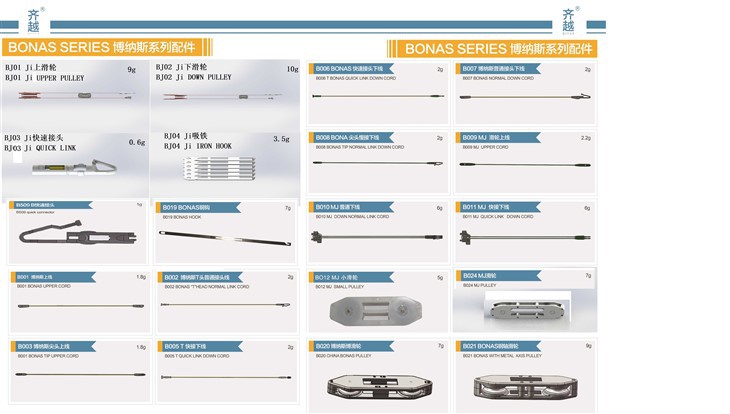
We also offer a range of related products for jacquard machines, including Bonas Tip Upper Cord, Bonas Tip Normal Link Down Cord, and Carpet Magnet Extender. These products are designed to work together with our pulleys to provide a complete solution for your jacquard machine.
Contact Us for Procurement
If you are interested in purchasing Jacquard Machine Pulleys or any of our related products, please contact us to discuss your requirements. Our sales team will be happy to provide you with more information about our products and services and to help you find the best solution for your application. We look forward to working with you to meet your jacquard machine needs.
References
- Budynas, R. G., & Nisbett, J. K. (2011). Shigley's Mechanical Engineering Design. McGraw-Hill.
- Norton, R. L. (2004). Design of Machinery: An Introduction to the Synthesis and Analysis of Mechanisms and Machines. McGraw-Hill.
- Spotts, M. F., Shoup, T. E., & Taborek, J. J. (2004). Design of Machine Elements. Prentice Hall.