

Hey there! As a supplier of high-speed jacquard machines, I often get asked about the power supply requirements for these beasts. So, I thought I'd take a few minutes to break it down for you.
First off, let's talk about what a high-speed jacquard machine is. A high-speed jacquard machine is a piece of equipment used in the textile industry to create intricate patterns on fabrics. These machines are known for their ability to work at incredibly high speeds, which makes them a popular choice for large-scale textile production. There are different types, like the High Speed Electronic Jacquard Machine, Power Jacquard Machine, and Water Jet Loom Jacquard Machine.
Now, let's get into the power supply requirements. The power needs of a high-speed jacquard machine can vary quite a bit depending on several factors. One of the main factors is the size and complexity of the machine. Larger machines with more advanced features are going to need more power to operate. For example, a high-end high-speed jacquard machine with a large weaving width and a high number of needles will require a substantial amount of electrical power.
Another factor that affects power consumption is the speed at which the machine operates. As the name suggests, high-speed jacquard machines are designed to work quickly. The faster the machine runs, the more power it uses. This is because the motors and other components have to work harder to keep up with the high-speed operation.
The type of jacquard mechanism also plays a role. Some machines use mechanical jacquard systems, while others use electronic ones. Electronic jacquard systems are generally more energy - efficient, but they still require a stable power supply to function properly.
In terms of voltage, most high-speed jacquard machines typically operate on a three - phase power supply. Three - phase power is commonly used in industrial settings because it provides a more balanced and efficient power delivery compared to single - phase power. The standard voltage for a three - phase power supply in many countries is around 380V to 415V, but this can vary depending on the local electrical standards.
The frequency of the power supply is also important. In most parts of the world, the standard frequency is either 50Hz or 60Hz. High - speed jacquard machines are designed to work within a specific frequency range, and using a power supply with the wrong frequency can cause the machine to malfunction or even damage the components.
The power rating of a high - speed jacquard machine is usually measured in kilowatts (kW). A typical high - speed jacquard machine can have a power rating anywhere from 5kW to 20kW or more, depending on its size and features. For example, a small - to - medium - sized high - speed jacquard machine might have a power rating of around 5 - 10kW, while a large, industrial - scale machine could have a rating of 15 - 20kW or higher.
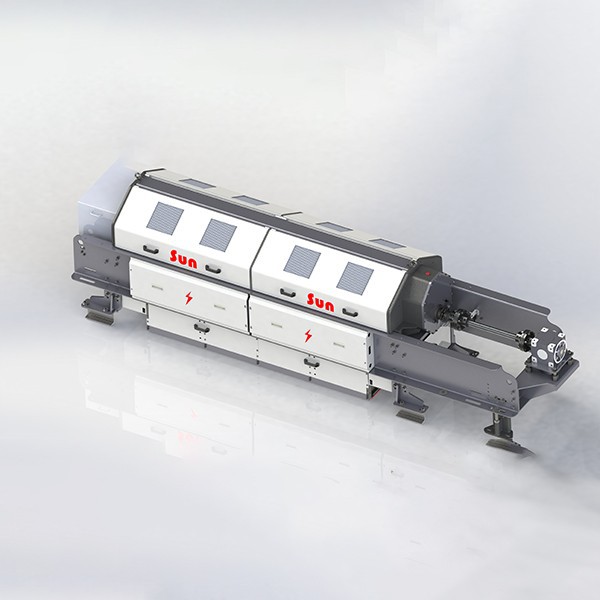

It's not just about the amount of power, though. A stable power supply is crucial for the proper operation of a high - speed jacquard machine. Voltage fluctuations, power surges, and brownouts can all cause problems. Voltage fluctuations can lead to inconsistent operation of the machine, resulting in uneven patterns on the fabric. Power surges can damage the sensitive electronic components of the machine, such as the control boards and sensors. Brownouts, which are temporary drops in voltage, can cause the machine to stop working or even lead to data loss in the control system.
To ensure a stable power supply, it's often recommended to use a voltage stabilizer or an uninterruptible power supply (UPS). A voltage stabilizer helps to maintain a constant voltage level, protecting the machine from voltage fluctuations. A UPS provides backup power in case of a power outage, allowing the machine to shut down properly and preventing damage to the components.
When it comes to electrical safety, high - speed jacquard machines need to be installed and maintained by qualified electricians. The electrical wiring should be properly sized to handle the power load of the machine. Overloaded wiring can cause overheating, which is a major fire hazard. Grounding is also essential to protect against electrical shocks.
In addition to the main power supply, high - speed jacquard machines may also have some auxiliary power requirements. For example, some machines have built - in lighting systems, cooling fans, or control panels that need their own power sources. These auxiliary power needs are usually much smaller compared to the main power consumption of the machine, but they still need to be taken into account.
If you're thinking about purchasing a high - speed jacquard machine, it's important to consult with the manufacturer or a technical expert. They can provide you with detailed information about the specific power supply requirements of the machine you're interested in. They can also help you determine if your existing electrical infrastructure can support the machine or if any upgrades are needed.
As a supplier, I understand that getting the power supply right is crucial for the smooth operation of your high - speed jacquard machine. That's why we're always here to help. Whether you have questions about power requirements, installation, or maintenance, our team of experts is ready to assist you.
If you're in the market for a high - speed jacquard machine, whether it's a High Speed Electronic Jacquard Machine, Power Jacquard Machine, or Water Jet Loom Jacquard Machine, we can offer you high - quality products at competitive prices. We're more than happy to have a chat with you about your needs and help you find the perfect machine for your business. Don't hesitate to reach out if you're interested in learning more or starting a purchase negotiation.
References:
- Textile Machinery Handbook
- Electrical Engineering for Industrial Applications