

In the realm of textile manufacturing, the Power Jacquard Machine stands as a pinnacle of technological advancement, enabling the creation of intricate and detailed patterns on fabrics. Among its numerous components, the tension roller plays a crucial and often underappreciated role. As a leading supplier of Power Jacquard Machines, I am well - versed in the significance of this small yet vital part.
The Basics of a Power Jacquard Machine
Before delving into the role of the tension roller, it is essential to understand the basic functioning of a Power Jacquard Machine. These machines are designed to control individual warp threads to create complex patterns. Unlike conventional looms, which are limited in the complexity of the designs they can produce, Power Jacquard Machines offer unparalleled flexibility. They use a series of punched cards or electronic controls to determine which warp threads are raised or lowered during the weaving process. This allows for the creation of elaborate designs, from simple geometric shapes to highly detailed floral patterns and even photographic - like images on the fabric.
The machine consists of several key components, including the jacquard head, the shedding mechanism, the picking mechanism, and the take - up and let - off mechanisms. Each of these components works in harmony to ensure the smooth and efficient production of high - quality fabrics.
The Role of the Tension Roller
Maintaining Consistent Tension
One of the primary functions of the tension roller in a Power Jacquard Machine is to maintain consistent tension on the warp threads. In the weaving process, the warp threads are the longitudinal threads that run parallel to the selvage of the fabric. Consistent tension is crucial because it affects the quality and appearance of the final product. If the tension is too loose, the fabric may have a slack or uneven appearance, with some areas looking puckered or baggy. On the other hand, if the tension is too tight, the warp threads may break, leading to production delays and increased waste.
The tension roller applies a controlled amount of pressure on the warp threads as they pass through the machine. This pressure is adjusted based on the type of fabric being woven, the thickness of the warp threads, and the desired tension level. By maintaining a consistent tension, the tension roller helps to ensure that the fabric has a uniform texture and appearance throughout.
Preventing Thread Entanglement
Another important role of the tension roller is to prevent the entanglement of the warp threads. As the warp threads move through the machine, there is a risk of them crossing over or getting caught on each other. This can lead to significant problems in the weaving process, such as broken threads, missed picks, and uneven fabric formation.
The tension roller helps to keep the warp threads separated and in their proper positions. It does this by applying a gentle, even pressure that keeps the threads taut and prevents them from shifting or tangling. Additionally, the surface of the tension roller is often designed to reduce friction between the roller and the warp threads, further minimizing the risk of entanglement.
Controlling the Speed of the Warp Threads
The tension roller also plays a role in controlling the speed at which the warp threads move through the machine. In a Power Jacquard Machine, the take - up and let - off mechanisms are responsible for feeding the warp threads into the weaving area and removing the finished fabric. The tension roller helps to regulate the speed of the warp threads by adjusting the tension.
If the tension is increased, the speed of the warp threads will decrease, allowing for more precise control over the weaving process. Conversely, if the tension is decreased, the speed of the warp threads will increase. This ability to control the speed of the warp threads is essential for achieving the desired fabric density and pattern clarity.
Impact on Different Types of Power Jacquard Machines
Wall Cloth Jacquard Machine
In a Wall Cloth Jacquard Machine, the tension roller is particularly important for maintaining the high - quality finish required for wall coverings. Wall cloths often have large, continuous patterns that need to be perfectly aligned and evenly woven. The tension roller ensures that the warp threads are under consistent tension, which helps to create a smooth and uniform surface on the wall cloth. It also prevents any visible seams or irregularities in the pattern, resulting in a professional - looking product.
Water Jet Loom Jacquard Machine
For a Water Jet Loom Jacquard Machine, the tension roller has to work in conjunction with the water jet system. The water jet is used to propel the weft thread through the warp threads, and the tension of the warp threads can affect the efficiency of this process. The tension roller maintains the appropriate tension on the warp threads, allowing the water jet to operate smoothly and accurately. This helps to prevent the weft thread from breaking or getting misaligned during the weaving process, resulting in a high - quality fabric with minimal defects.
Towel Jacquard Machine
In a Towel Jacquard Machine, the tension roller is crucial for creating the plush and absorbent texture that is characteristic of towels. The tension roller controls the density of the warp threads, which in turn affects the thickness and softness of the towel. By maintaining the right tension, the machine can produce towels with a consistent pile height and a uniform appearance. It also helps to prevent the warp threads from pulling out of the fabric, ensuring the durability of the towel.
Importance of High - Quality Tension Rollers
As a Power Jacquard Machine supplier, I understand the importance of using high - quality tension rollers. A well - designed tension roller can significantly improve the performance and efficiency of the machine. It can reduce the number of production errors, such as broken threads and uneven fabric formation, which in turn can increase productivity and reduce costs.
High - quality tension rollers are made from durable materials that can withstand the high pressures and constant friction associated with the weaving process. They are also precisely engineered to provide accurate and consistent tension control. Additionally, they are often designed to be easily adjustable, allowing operators to fine - tune the tension based on the specific requirements of each weaving job.
Conclusion
In conclusion, the tension roller is a vital component of a Power Jacquard Machine. Its role in maintaining consistent tension, preventing thread entanglement, and controlling the speed of the warp threads is essential for the production of high - quality fabrics. Whether it is a Wall Cloth Jacquard Machine, a Water Jet Loom Jacquard Machine, or a Towel Jacquard Machine, the tension roller plays a crucial part in ensuring the smooth and efficient operation of the machine.

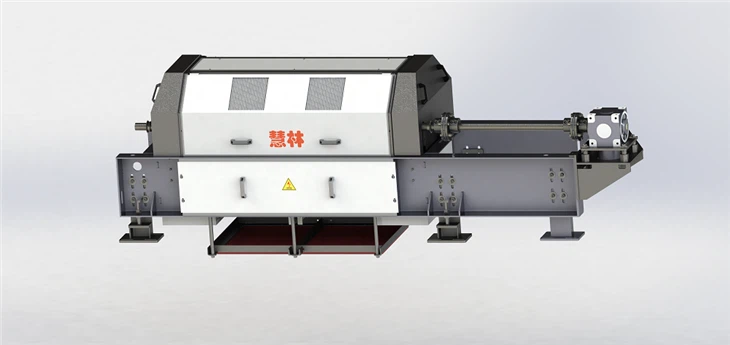
If you are in the market for a Power Jacquard Machine or need to replace your existing tension rollers, we invite you to reach out to us. Our team of experts can provide you with the best solutions tailored to your specific needs. Contact us today to start a discussion about your textile manufacturing requirements.
References
- Textile Manufacturing Handbook, 3rd Edition.
- Advanced Weaving Technology: Principles and Practices.
- Journal of Textile Engineering and Technology, various issues.