

In the era of rapid technological advancement, the concept of smart factories has emerged as a transformative force in the manufacturing industry. Smart factories leverage cutting - edge technologies such as the Internet of Things (IoT), artificial intelligence (AI), and big data analytics to optimize production processes, enhance efficiency, and improve product quality. As a supplier of Jacquard machines, I often ponder the question: Can the Jacquard machine be integrated into a smart factory? In this blog post, I will explore this question in depth, examining the potential benefits, challenges, and strategies for integrating Jacquard machines into smart factory environments.
The Jacquard Machine: A Brief Overview
Before delving into the integration possibilities, let's first understand what a Jacquard machine is. The Jacquard machine is a revolutionary device in the textile industry, named after its inventor Joseph Marie Jacquard. It uses punched cards to control the movement of individual warp threads, enabling the creation of intricate and complex patterns on fabrics. Over the years, Jacquard machines have evolved significantly, from mechanical to electronic versions, offering higher speed, precision, and flexibility.
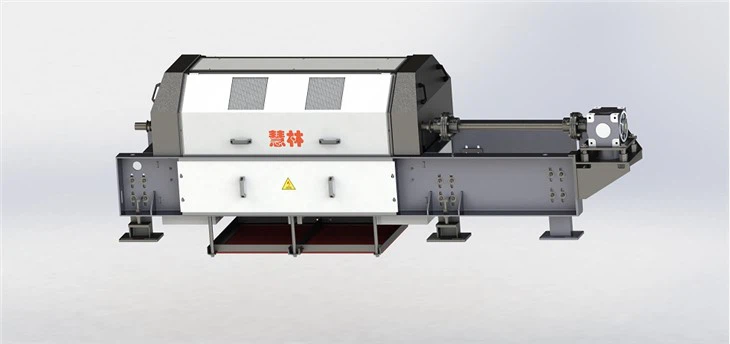
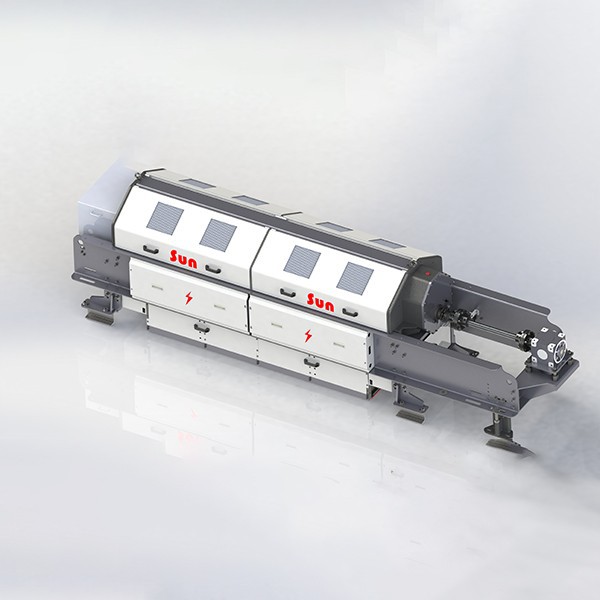
As a supplier, we offer a range of Jacquard machines, including the High Speed Electronic Jacquard Machine, Saree High Speed Rapier Loom Jaquard Machine, and Wall Cloth Jacquard Machine. These machines are designed to meet the diverse needs of our customers, from small - scale artisans to large - scale textile manufacturers.
Benefits of Integrating Jacquard Machines into Smart Factories
1. Enhanced Production Efficiency
One of the primary benefits of integrating Jacquard machines into a smart factory is the potential for enhanced production efficiency. In a smart factory environment, Jacquard machines can be connected to a central control system, allowing for real - time monitoring and optimization of the production process. For example, sensors can be installed on the machines to collect data on factors such as speed, temperature, and thread tension. This data can then be analyzed using AI algorithms to identify potential bottlenecks or inefficiencies and make adjustments in real - time. As a result, production speeds can be increased, and downtime can be minimized, leading to higher overall productivity.
2. Improved Product Quality
Smart factory integration also enables better quality control for Jacquard machines. By continuously monitoring the production process, any deviations from the desired specifications can be detected early. For instance, if the pattern on the fabric starts to deviate from the design, the system can automatically stop the machine and alert the operator. This proactive approach to quality control helps to reduce the number of defective products, ensuring that only high - quality fabrics are produced.
3. Customization and Flexibility
In today's market, consumers are increasingly demanding customized products. Integrating Jacquard machines into a smart factory allows for greater customization and flexibility in production. With the ability to quickly change patterns and designs through digital programming, manufacturers can respond more rapidly to customer demands. For example, a customer may request a unique fabric pattern for a special event. In a smart factory, the Jacquard machine can be programmed to produce this pattern within a short period, without the need for extensive retooling or setup.
4. Supply Chain Integration
Smart factory integration can also facilitate better supply chain management. By connecting Jacquard machines to the overall supply chain system, manufacturers can have real - time visibility into inventory levels, raw material availability, and production schedules. This enables more accurate forecasting and planning, reducing the risk of stockouts or overproduction. For example, if the system detects that the supply of a particular type of thread is running low, it can automatically generate a purchase order, ensuring that production can continue without interruption.
Challenges of Integrating Jacquard Machines into Smart Factories
1. Technological Compatibility
One of the main challenges of integrating Jacquard machines into a smart factory is technological compatibility. Many existing Jacquard machines may not be equipped with the necessary sensors and communication interfaces to connect to a smart factory network. Retrofitting these machines can be costly and time - consuming, requiring significant investment in hardware and software upgrades.
2. Data Security
With the increased connectivity of Jacquard machines in a smart factory, data security becomes a critical concern. The data collected from the machines, such as production data, design patterns, and customer information, is valuable and sensitive. Protecting this data from cyber - attacks, unauthorized access, and data breaches is essential. Manufacturers need to implement robust security measures, such as encryption, firewalls, and access controls, to safeguard their data.
3. Workforce Training
Integrating Jacquard machines into a smart factory requires a skilled workforce that is capable of operating and maintaining the new technology. Workers need to be trained in areas such as data analytics, AI, and IoT. However, finding and training employees with these skills can be challenging, especially in regions where there is a shortage of technical talent.
4. Cost
The initial investment required for integrating Jacquard machines into a smart factory can be substantial. This includes the cost of purchasing new equipment, upgrading existing machines, implementing software systems, and training the workforce. For small and medium - sized enterprises, these costs may be prohibitive, making it difficult to adopt smart factory technologies.
Strategies for Successful Integration
1. Gradual Adoption
To overcome the challenges of cost and technological compatibility, a gradual adoption strategy can be employed. Manufacturers can start by implementing basic smart factory features, such as real - time monitoring of production data, on a small scale. As they gain experience and confidence, they can gradually expand the scope of integration, adding more advanced features such as AI - based optimization and supply chain integration.
2. Collaboration with Technology Partners
Partnering with technology companies can help manufacturers overcome the technical challenges of integrating Jacquard machines into a smart factory. Technology partners can provide expertise in areas such as IoT, AI, and data analytics, as well as offer solutions for retrofitting existing machines. By working together, manufacturers can leverage the latest technologies without having to develop them in - house.
3. Workforce Development
Investing in workforce development is crucial for the successful integration of Jacquard machines into a smart factory. Manufacturers should provide training programs for their employees to enhance their technical skills. This can include on - the - job training, online courses, and partnerships with educational institutions. By empowering their workforce, manufacturers can ensure that they have the necessary skills to operate and maintain the new technology.
4. Data Governance
Establishing a robust data governance framework is essential for ensuring data security and integrity. Manufacturers should define clear policies and procedures for data collection, storage, access, and sharing. This helps to protect sensitive information and ensure that data is used in a responsible and ethical manner.
Conclusion
In conclusion, the integration of Jacquard machines into a smart factory offers significant benefits in terms of production efficiency, product quality, customization, and supply chain management. However, there are also challenges that need to be addressed, such as technological compatibility, data security, workforce training, and cost. By adopting a gradual approach, collaborating with technology partners, investing in workforce development, and implementing a strong data governance framework, manufacturers can successfully integrate Jacquard machines into their smart factory environments.
If you are interested in exploring how our Jacquard machines can be integrated into your smart factory, we would be delighted to discuss your specific needs and requirements. Contact us today to start a conversation about procurement and find the best solutions for your manufacturing operations.
References
- Industry 4.0: The Future of Productivity and Growth in Manufacturing Industries, World Economic Forum.
- Smart Manufacturing: Technologies and Applications, IEEE Xplore.
- Textile Manufacturing: A Guide to Processes, Products, and Quality Control, CRC Press.