

As a trusted supplier of Electronic Jacquard Modules, I am often asked about the types of fabrics that can be woven using these advanced devices. Electronic Jacquard Modules have revolutionized the textile industry by enabling the creation of intricate and detailed patterns on a wide range of fabrics. In this blog post, I will explore the various types of fabrics that can be woven with an Electronic Jacquard Module, highlighting the unique features and applications of each.
Silk Fabrics
Silk is a luxurious and highly sought-after fabric known for its softness, sheen, and drape. Electronic Jacquard Modules are particularly well-suited for weaving silk fabrics, as they can create complex patterns with precision and detail. Silk fabrics woven with an Electronic Jacquard Module can feature intricate floral designs, geometric patterns, or even realistic images. These fabrics are commonly used in high-end fashion, lingerie, and home decor items such as curtains and bedding.
One of the advantages of using an Electronic Jacquard Module to weave silk fabrics is the ability to create seamless patterns. Unlike traditional weaving methods, which may require multiple passes or the use of different shuttles to create a pattern, an Electronic Jacquard Module can control each individual warp thread independently. This allows for the creation of continuous patterns that flow seamlessly across the fabric, resulting in a more polished and professional look.
Cotton Fabrics
Cotton is one of the most widely used fabrics in the world, known for its comfort, durability, and versatility. Electronic Jacquard Modules can be used to weave a variety of cotton fabrics, from lightweight muslins to heavy denim. Cotton fabrics woven with an Electronic Jacquard Module can feature a range of patterns, from simple stripes and checks to elaborate floral and paisley designs.
One of the benefits of using an Electronic Jacquard Module to weave cotton fabrics is the ability to create high-resolution patterns. The precise control offered by the module allows for the creation of sharp, detailed patterns that are not possible with traditional weaving methods. This makes cotton fabrics woven with an Electronic Jacquard Module ideal for applications such as apparel, home decor, and upholstery.
Wool Fabrics
Wool is a natural fiber known for its warmth, softness, and resilience. Electronic Jacquard Modules can be used to weave a variety of wool fabrics, including tweeds, flannels, and worsteds. Wool fabrics woven with an Electronic Jacquard Module can feature intricate patterns that add texture and visual interest to the fabric.

One of the challenges of weaving wool fabrics is the need to control the tension of the warp threads. Wool fibers are more elastic than other fibers, which can cause the fabric to stretch and distort during the weaving process. Electronic Jacquard Modules are designed to provide precise control over the tension of each individual warp thread, ensuring that the fabric maintains its shape and integrity.
Synthetic Fabrics
Synthetic fabrics, such as polyester, nylon, and acrylic, are widely used in the textile industry due to their durability, affordability, and ease of care. Electronic Jacquard Modules can be used to weave a variety of synthetic fabrics, from lightweight chiffons to heavy-duty upholstery fabrics. Synthetic fabrics woven with an Electronic Jacquard Module can feature a range of patterns, from simple geometric designs to complex floral and animal prints.
One of the advantages of using an Electronic Jacquard Module to weave synthetic fabrics is the ability to create patterns that are resistant to fading and wear. Synthetic fibers are more resistant to sunlight, chemicals, and abrasion than natural fibers, which makes them ideal for applications such as outdoor furniture, automotive interiors, and sportswear.
Specialty Fabrics
In addition to the traditional fabrics mentioned above, Electronic Jacquard Modules can also be used to weave a variety of specialty fabrics, such as lace, brocade, and tapestry. These fabrics are characterized by their intricate patterns and high level of detail, which require the precise control offered by an Electronic Jacquard Module.
Lace fabrics are delicate and intricate fabrics that are commonly used in lingerie, bridal wear, and home decor. Electronic Jacquard Modules can be used to create lace fabrics with a range of patterns, from simple geometric designs to elaborate floral and vine motifs. The precise control offered by the module allows for the creation of delicate lace patterns that are not possible with traditional lace-making methods.
Brocade fabrics are richly textured fabrics that are commonly used in formal wear, upholstery, and home decor. Electronic Jacquard Modules can be used to create brocade fabrics with a range of patterns, from simple stripes and checks to elaborate floral and paisley designs. The precise control offered by the module allows for the creation of detailed brocade patterns that are not possible with traditional weaving methods.
Tapestry fabrics are large, decorative fabrics that are commonly used in wall hangings, upholstery, and home decor. Electronic Jacquard Modules can be used to create tapestry fabrics with a range of patterns, from simple geometric designs to elaborate scenes and landscapes. The precise control offered by the module allows for the creation of detailed tapestry patterns that are not possible with traditional tapestry-making methods.
Our Electronic Jacquard Modules
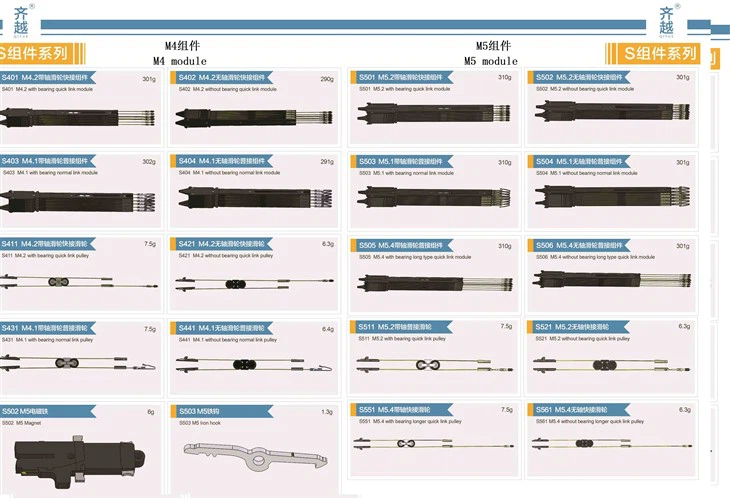
At our company, we offer a range of Electronic Jacquard Modules that are designed to meet the needs of different textile manufacturers. Our modules are known for their high performance, reliability, and ease of use. Some of our popular products include the S16 With Bearing Module, the Bolt Screw, and the M5.1 Without Bearing Normal Link Module.
The S16 With Bearing Module is a high-performance module that is suitable for weaving a wide range of fabrics, including silk, cotton, wool, and synthetic fabrics. The module features a bearing design that provides smooth and reliable operation, even at high speeds.
The Bolt Screw is a versatile module that is suitable for weaving a variety of fabrics, including lace, brocade, and tapestry. The module features a bolt screw design that provides precise control over the movement of the warp threads, allowing for the creation of intricate patterns.
The M5.1 Without Bearing Normal Link Module is a compact and lightweight module that is suitable for weaving a variety of fabrics, including cotton, polyester, and nylon. The module features a normal link design that provides smooth and reliable operation, even at low speeds.
Contact Us for Procurement
If you are interested in learning more about our Electronic Jacquard Modules or would like to discuss your specific requirements, please do not hesitate to contact us. Our team of experts is available to provide you with detailed information and assistance, and we are committed to helping you find the right solution for your textile manufacturing needs. Whether you are a small-scale producer or a large industrial manufacturer, we have the products and expertise to meet your requirements.
References
- Textile Handbook: A Comprehensive Guide to Textile Fibers, Yarns, Fabrics, and Their Applications. Third Edition. By Peter Collings.
- The Technology of Textile Design. By Peter Lord and Richard Houldsworth.
- Jacquard Weaving: A Comprehensive Guide to Design and Technique. By Barbara G. Brackman.