

As a seasoned supplier of Jacquard Controllers, I've witnessed firsthand the critical role these devices play in the textile industry. Jacquard Controllers are the brains behind the intricate patterns and designs that adorn fabrics, from luxurious silk scarves to high - end upholstery. However, like any complex piece of machinery, they are prone to certain maintenance issues. In this blog, I'll delve into the common maintenance problems that users of Jacquard Controllers often encounter and offer some practical solutions.
1. Electrical Component Failures
One of the most prevalent issues with Jacquard Controllers is electrical component failures. These controllers rely on a network of circuit boards, sensors, and power supplies to function correctly. Over time, components can wear out due to factors such as heat, humidity, and electrical surges.
Circuit Board Problems
Circuit boards are the heart of the Jacquard Controller, and any malfunction can disrupt the entire operation. Common circuit board issues include solder joint failures, component overheating, and corrosion. Solder joints can become loose over time, especially if the controller is subjected to vibrations. This can lead to intermittent connections and erratic behavior.
To prevent circuit board problems, it's essential to keep the controller in a clean and dry environment. Regularly inspect the circuit boards for signs of damage, such as discoloration or burnt components. If you notice any issues, it's advisable to replace the affected components as soon as possible to avoid further damage.
Sensor Malfunctions
Sensors play a crucial role in the Jacquard Controller, as they are responsible for detecting the position of the needles and the movement of the fabric. Malfunctioning sensors can cause inaccurate pattern production or even stop the machine altogether.
There are several reasons why sensors may fail. Dust and debris can accumulate on the sensor surfaces, interfering with their ability to detect signals. Additionally, sensors can be damaged by physical impact or electrical interference. To maintain the sensors, clean them regularly using a soft, dry cloth. If a sensor is not functioning correctly, it may need to be recalibrated or replaced.
Power Supply Issues
A stable power supply is essential for the proper functioning of the Jacquard Controller. Power surges, voltage fluctuations, and power outages can all cause damage to the controller's electrical components.
Invest in a high - quality uninterruptible power supply (UPS) to protect the controller from power outages and surges. Regularly check the power supply cables for signs of wear and tear, and replace them if necessary. If the controller experiences power - related issues, such as sudden shutdowns or erratic behavior, it's important to have the power supply system inspected by a professional.
2. Mechanical Wear and Tear
In addition to electrical issues, Jacquard Controllers also face mechanical wear and tear. These controllers have numerous moving parts, such as gears, belts, and pulleys, which can wear out over time.
Belt and Pulley Problems
Belts and pulleys are used to transfer power and motion within the Jacquard Controller. Over time, belts can stretch, crack, or break, while pulleys can become worn or misaligned. A worn - out belt or pulley can cause the machine to operate inefficiently or produce inaccurate patterns.
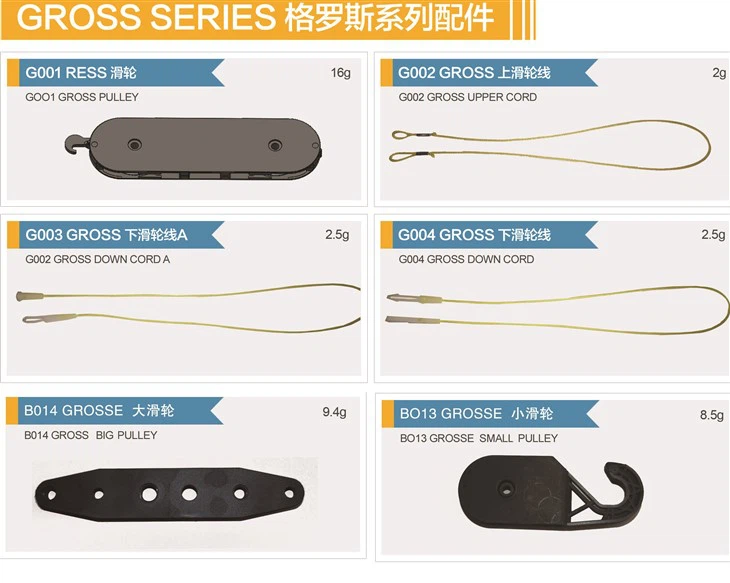
Regularly inspect the belts and pulleys for signs of wear, such as fraying or excessive slack. Replace the belts and pulleys as recommended by the manufacturer. For more information on pulley maintenance, you can visit our Gross Small Pulley page.
Gearbox Issues
The gearbox is responsible for transmitting power from the motor to the various components of the Jacquard Controller. Gearbox problems can include gear wear, lubrication issues, and misalignment.
Proper lubrication is essential for the smooth operation of the gearbox. Follow the manufacturer's recommendations for lubricant type and frequency of application. Regularly check the gearbox for signs of damage, such as unusual noises or vibrations. If you suspect a gearbox problem, it's best to have it inspected and repaired by a qualified technician.
Cord Tension and Wear
Cords are used in the Jacquard Controller to control the movement of the needles and the fabric. Over time, cords can become loose, frayed, or worn, which can affect the accuracy of the pattern production.
Check the tension of the cords regularly and adjust them as needed. Replace any cords that show signs of wear or damage. You can find more information about cord maintenance on our Gross Upper Cord and Gross Down Cord pages.
3. Software and Programming Errors
Jacquard Controllers rely on sophisticated software to generate and control the patterns. Software and programming errors can cause a variety of issues, from minor glitches to complete system failures.

Software Bugs
Software bugs are a common problem in any computer - based system, and Jacquard Controllers are no exception. Bugs can cause the controller to produce incorrect patterns, freeze, or crash.
To minimize the risk of software bugs, keep the controller's software up - to - date. Manufacturers often release software updates to fix bugs and improve performance. Regularly check the manufacturer's website for the latest software versions and install them as soon as they become available.
Programming Mistakes
Incorrect programming can also lead to problems with the Jacquard Controller. If the pattern design is not programmed correctly, the machine may produce inaccurate or incomplete patterns.
When programming the Jacquard Controller, double - check the pattern design for errors. Use high - quality pattern design software and follow the manufacturer's programming guidelines. If you're new to programming, consider taking a training course to improve your skills.
4. Environmental Factors
The environment in which the Jacquard Controller operates can have a significant impact on its performance and longevity.
Temperature and Humidity
High temperatures and humidity can cause electrical components to overheat and corrode. Excessive heat can also cause mechanical parts to expand and contract, leading to misalignment and wear.
Keep the Jacquard Controller in a well - ventilated area with a stable temperature and humidity level. Use air conditioning or dehumidifiers if necessary to maintain the optimal environment.
Dust and Debris
Dust and debris can accumulate on the Jacquard Controller's components, causing damage and interference. This is especially true for sensors and circuit boards.
Regularly clean the controller using a soft, dry cloth or a vacuum cleaner with a soft brush attachment. Keep the work area clean and free of dust to prevent it from entering the controller.
Solutions and Preventive Maintenance
To address these common maintenance issues, it's important to implement a comprehensive preventive maintenance program. Here are some key steps:
- Regular Inspections: Conduct regular visual inspections of the Jacquard Controller to check for signs of wear, damage, or malfunction. This should include inspecting the electrical components, mechanical parts, and software.
- Cleaning: Keep the controller clean by removing dust and debris regularly. Pay special attention to the sensors, circuit boards, and moving parts.
- Lubrication: Follow the manufacturer's recommendations for lubricating the mechanical parts, such as the gearbox and bearings.
- Software Updates: Keep the controller's software up - to - date to fix bugs and improve performance.
- Training: Ensure that the operators are properly trained in the use and maintenance of the Jacquard Controller. This will help prevent programming errors and ensure that the machine is used correctly.
As a Jacquard Controller supplier, we are committed to providing high - quality products and excellent after - sales service. If you're experiencing any maintenance issues with your Jacquard Controller or are interested in purchasing a new one, we invite you to contact us for more information and to discuss your specific needs. Our team of experts is here to help you find the best solutions for your textile production requirements.
References
- Textile Machinery Handbook: A comprehensive guide to the operation and maintenance of textile machinery, including Jacquard Controllers.
- Manufacturer's Manuals: The official manuals provided by the Jacquard Controller manufacturers, which contain detailed information on installation, operation, and maintenance.
- Industry Journals: Publications such as Textile World and Knitting Industry provide up - to - date information on the latest trends and technologies in the textile industry, including maintenance best practices for Jacquard Controllers.