

Hey there! As a supplier of Jacquard Machine Pulleys, I've spent a good deal of time diving into the nitty - gritty details of these essential components. One aspect that doesn't get as much attention as it should is the acoustic properties of Jacquard Machine Pulleys. Let's take a deep - dive into what makes these pulleys unique in terms of sound.
First off, what are acoustic properties anyway? In simple terms, acoustic properties refer to how an object behaves when it comes to sound. This includes things like how much noise it makes when in operation, how it transmits sound waves, and how it might absorb or reflect those waves. For Jacquard Machine Pulleys, these properties are crucial, especially in a factory setting where a noisy machine can be a real headache.
When a Jacquard Machine is running, the pulleys are constantly in motion. They rotate, and sometimes they interact with other parts of the machine, like belts or cords. These interactions can generate sound. The type of sound produced can vary widely depending on several factors.
One of the main factors affecting the acoustic properties of a Jacquard Machine Pulley is its material. Pulleys can be made from different materials such as metal, plastic, or composite materials. Metal pulleys, for example, tend to be more rigid. When they rotate, they can produce a high - pitched, sharp sound, especially if there's any misalignment or if they're rubbing against other metal parts. This is because metal is a good conductor of sound waves, so the vibrations caused by the movement are easily transmitted and amplified.
On the other hand, plastic pulleys are generally quieter. Plastic is a more flexible material compared to metal. It can absorb some of the vibrations that would otherwise be turned into sound. When a plastic pulley rotates, the sound it makes is usually more of a dull, low - pitched hum. This is a big advantage in a factory environment where workers are exposed to machine noise all day long.
Another factor is the design of the pulley. The shape, size, and surface finish of the pulley can all impact its acoustic properties. A pulley with a smooth surface will generally be quieter than one with a rough surface. This is because a rough surface can cause more friction when it comes into contact with belts or other components. The increased friction leads to more vibrations and, consequently, more noise.

The size of the pulley also matters. Larger pulleys tend to rotate more slowly than smaller ones for the same amount of power input. Slower rotation usually means less noise. Smaller pulleys, while they can be more efficient in some cases, may spin at higher speeds, creating more noise as a result.
Now, let's talk about the importance of these acoustic properties in a real - world scenario. In a textile factory, the noise level can have a significant impact on the workers' health and productivity. Prolonged exposure to high - level noise can lead to hearing loss, stress, and fatigue. By using Jacquard Machine Pulleys with good acoustic properties, factories can reduce the overall noise level in the workplace. This not only improves the working conditions for the employees but also helps the factory comply with noise regulations.
Moreover, quieter machines can also lead to better product quality. When a machine is noisy, it can be a sign that there's something wrong with its operation. Excessive noise might indicate misalignment, wear and tear, or other mechanical issues. By paying attention to the acoustic properties of the pulleys, factory managers can detect potential problems early on and take corrective action before they cause major damage to the machine or affect the quality of the textiles being produced.
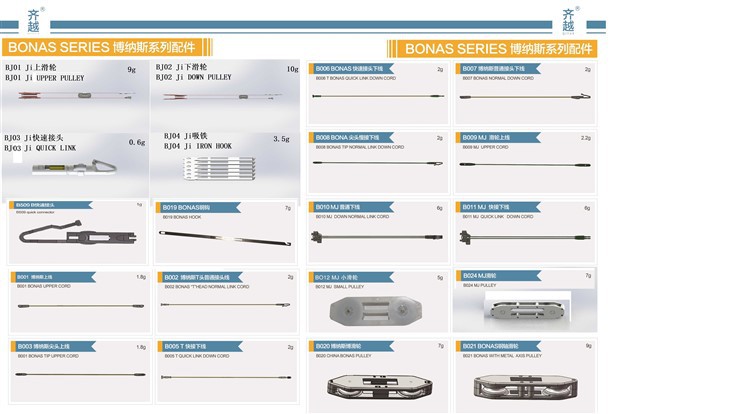
As a supplier, I understand the importance of providing pulleys with excellent acoustic properties. That's why we offer a wide range of products, each carefully designed and tested to ensure optimal performance in terms of noise reduction. For example, our T Bonas Quick Link Down Cord is made from a special composite material that combines the strength of metal with the noise - absorbing properties of plastic. This results in a pulley that not only lasts long but also operates quietly.
Our MJ Quick Link Down Cord is another great option. It has a unique surface finish that reduces friction and minimizes noise. The design of this pulley also allows for smooth rotation, further contributing to its quiet operation.
And then there's our Ji Upper Pulley. This pulley is engineered to have the right balance between size and speed, ensuring that it operates at an optimal noise level. Whether you're running a small - scale textile operation or a large - scale factory, our pulleys can help you create a quieter and more productive working environment.
If you're in the market for Jacquard Machine Pulleys, I encourage you to reach out to us. We're always happy to have a chat about your specific needs and how our products can meet them. Whether it's about reducing noise, improving efficiency, or ensuring long - term durability, we've got the expertise and the products to help you out. So, don't hesitate to get in touch and start a conversation about how we can work together to enhance your textile production process.
References
- "Textile Machinery Noise Reduction Techniques", Textile Industry Journal, 2020
- "Materials and Their Acoustic Properties in Industrial Applications", Journal of Industrial Materials Science, 2019