

Hey there! I'm a supplier of Electronic Jacquard Modules, and I've been in this business for quite a while. Over the years, I've seen firsthand the amazing capabilities of these modules, but I've also noticed some limitations. In this blog post, I'm gonna share with you what I think are the main limitations of an Electronic Jacquard Module.
1. High Initial Investment
One of the biggest limitations of an Electronic Jacquard Module is the high initial investment. These modules are not cheap, and setting up a system that uses them can cost a small fortune. You've got to buy the module itself, which can be quite pricey, and then there are the costs associated with integrating it into your existing machinery. This includes things like software installation, calibration, and training for your staff.
For small businesses or startups, this high upfront cost can be a real barrier to entry. They might not have the capital to invest in such an expensive piece of equipment, even if it could potentially improve their production efficiency and product quality in the long run. It's a tough decision to make, especially when you're trying to balance your budget and your business goals.
2. Complexity of Operation
Electronic Jacquard Modules are pretty complex pieces of technology. They require a certain level of technical expertise to operate and maintain. The software that controls the module can be quite intricate, with a lot of settings and parameters that need to be adjusted correctly to get the desired results.
If your staff isn't well-trained, they might struggle to operate the module effectively. This can lead to errors in the production process, which can result in wasted materials and time. And let's not forget about the maintenance aspect. These modules need to be regularly serviced and calibrated to ensure they're working properly. If something goes wrong, it can be difficult to diagnose and fix the problem, especially if you don't have access to a qualified technician.
3. Compatibility Issues
Another limitation is compatibility issues. Electronic Jacquard Modules need to be compatible with your existing machinery and software. If they're not, you might run into problems when trying to integrate them into your production line.
For example, some older machines might not have the necessary interfaces or communication protocols to work with the module. This means you might have to upgrade your machinery, which can add even more costs to your investment. And even if your machines are compatible, there can still be issues with the software. Different software systems might have different formats and requirements, which can make it challenging to transfer designs and data between them.
4. Limited Design Flexibility
Despite their advanced capabilities, Electronic Jacquard Modules do have some limitations when it comes to design flexibility. While they can create a wide range of patterns and designs, there are still some restrictions.
For instance, the resolution of the module can limit the level of detail in your designs. If you're trying to create very intricate or complex patterns, you might find that the module can't reproduce them accurately. Also, the size of the module can limit the size of the patterns you can create. If you need to produce large-scale designs, you might have to stitch multiple smaller patterns together, which can be time-consuming and might not look as seamless as you'd like.
5. Dependence on Power and Technology
Electronic Jacquard Modules rely heavily on power and technology. If there's a power outage or a technical glitch, the production process can come to a halt. This can be a major problem, especially if you're working on a tight deadline.
Moreover, these modules are constantly evolving, and new technologies are being developed all the time. If you don't keep up with the latest advancements, your module might become obsolete over time. This means you'll have to invest in a new module or upgrade your existing one, which can be costly.
6. Maintenance and Repair Costs
As I mentioned earlier, Electronic Jacquard Modules need regular maintenance and calibration to ensure they're working properly. This can be expensive, especially if you need to hire a professional technician to do the job. And if something goes wrong with the module, the repair costs can also be quite high.
Parts for these modules can be hard to find, and they can be expensive to replace. Plus, the downtime associated with repairs can have a significant impact on your production schedule and your bottom line.
Solutions and Workarounds
Now, I don't want to make it seem like these limitations are insurmountable. There are some solutions and workarounds that can help you overcome them.
For the high initial investment, you could consider leasing the module instead of buying it outright. This can reduce your upfront costs and give you the flexibility to upgrade to a newer model in the future. You could also look for government grants or loans that can help you finance your investment.
To address the complexity of operation, you should invest in comprehensive training for your staff. Make sure they understand how to operate the module and how to troubleshoot common problems. You could also consider hiring a technical consultant to provide ongoing support and advice.
When it comes to compatibility issues, do your research before you buy a module. Make sure it's compatible with your existing machinery and software. You could also work with the module manufacturer to develop a custom integration solution if necessary.

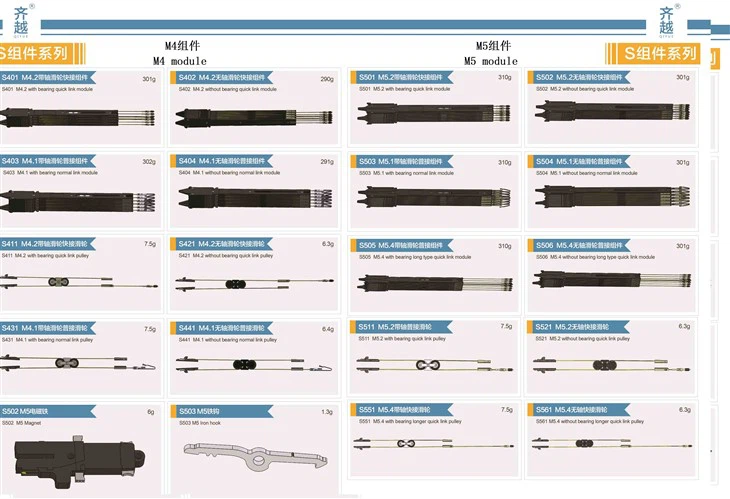
To increase design flexibility, you could explore different design techniques and software tools. There are some advanced software programs that can help you optimize your designs for the capabilities of the module. You could also experiment with different materials and weaving techniques to create unique effects.
To reduce your dependence on power and technology, you could invest in a backup power supply and a data backup system. This can help you minimize the impact of power outages and technical glitches on your production process.
And for the maintenance and repair costs, you could establish a regular maintenance schedule and keep a stock of common replacement parts. This can help you reduce the frequency and cost of repairs.
Conclusion
In conclusion, while Electronic Jacquard Modules offer many benefits, they also have some limitations. These limitations include high initial investment, complexity of operation, compatibility issues, limited design flexibility, dependence on power and technology, and maintenance and repair costs. However, with the right solutions and workarounds, you can overcome these limitations and make the most of your investment.
If you're interested in learning more about our Electronic Jacquard Modules or if you have any questions about how they can fit into your production process, feel free to reach out to us. We'd be happy to have a chat with you and discuss your specific needs. Whether you're a small business looking to upgrade your production capabilities or a large corporation in search of a more efficient solution, we're here to help. Let's start a conversation and see how we can work together to take your business to the next level.
References
- Industry reports on textile machinery technology
- Manufacturer's documentation for Electronic Jacquard Modules
- Personal experience and observations from working in the industry