

Hey there! As a supplier of Jacquard Machine Pulleys, I'm super stoked to dive into the material properties of these nifty components. Jacquard machine pulleys play a crucial role in the smooth operation of jacquard machines, which are used to create intricate patterns in textiles. So, let's get right into it and explore what makes these pulleys tick.

1. Durability and Strength
One of the most important material properties of a Jacquard Machine Pulley is durability. These pulleys are constantly in motion, with belts or ropes running over them, and they need to withstand a fair amount of wear and tear. That's why materials like high - grade steel and certain types of plastics are often used.
High - grade steel is a top choice for its incredible strength. It can handle heavy loads without deforming, which is essential when the jacquard machine is operating at high speeds. Steel pulleys are also resistant to corrosion, especially if they are properly coated. This means they can last a long time, even in industrial environments where there might be moisture or chemicals present.
On the other hand, some types of plastics, like nylon, are also used for Jacquard Machine Pulleys. Nylon is lightweight, which can reduce the overall weight of the machine and potentially save on energy consumption. It also has good abrasion resistance, so it can hold up well against the friction caused by the belts or ropes. Plus, nylon is relatively quiet compared to metal, which can be a big plus in a factory setting where noise levels can be an issue.
2. Friction and Traction
Another key property is the amount of friction and traction the pulley material provides. The pulley needs to grip the belt or rope firmly to ensure that power is transferred efficiently from the motor to the various parts of the jacquard machine.
Rubber - coated pulleys are great for this purpose. The rubber provides a high - friction surface that helps the belt or rope stay in place and prevents slippage. This is especially important when the machine is under heavy load or when it needs to make precise movements. The rubber can also absorb some of the shock and vibration, which can extend the life of the belt or rope as well as the pulley itself.
Some composite materials are also designed to have optimal friction properties. These materials can be engineered to have just the right amount of grip, depending on the specific requirements of the jacquard machine. For example, if the machine is used for fine - detail work, a pulley with a more controlled level of friction might be needed to ensure smooth and accurate operation.
3. Precision and Tolerance
Jacquard machines are all about precision, and the pulleys need to be made with high levels of accuracy. The material used should be able to be machined or molded to very tight tolerances.
Aluminum is a popular choice for its machinability. It can be easily shaped into the exact dimensions required for the pulley. This allows for precise alignment of the belts or ropes, which is crucial for the proper functioning of the jacquard machine. Aluminum is also lightweight, which can be beneficial for reducing the inertia of the moving parts and improving the machine's responsiveness.
Cast iron is another material that can offer good precision. It has a relatively stable structure, which means it can maintain its shape over time. Cast iron pulleys can be made with very smooth surfaces, which helps to reduce friction and wear on the belts or ropes. However, they are heavier than aluminum, so they might not be suitable for all types of jacquard machines.
4. Compatibility with Other Components
The material of the Jacquard Machine Pulley also needs to be compatible with other components in the machine. For example, it should not react chemically with the belts or ropes, or with any lubricants that might be used.
If the pulley is made of a metal, it should be chosen in such a way that it doesn't cause galvanic corrosion when in contact with other metals in the machine. This can be achieved by using appropriate coatings or by selecting metals with similar electrochemical properties.
When it comes to plastics, they need to be resistant to any solvents or cleaning agents that might be used in the maintenance of the machine. Some plastics can swell or degrade when exposed to certain chemicals, so it's important to choose a material that can withstand the environmental conditions of the jacquard machine's operation.
Specific Components and Their Materials
Now, let's talk about some specific components related to Jacquard Machine Pulleys.
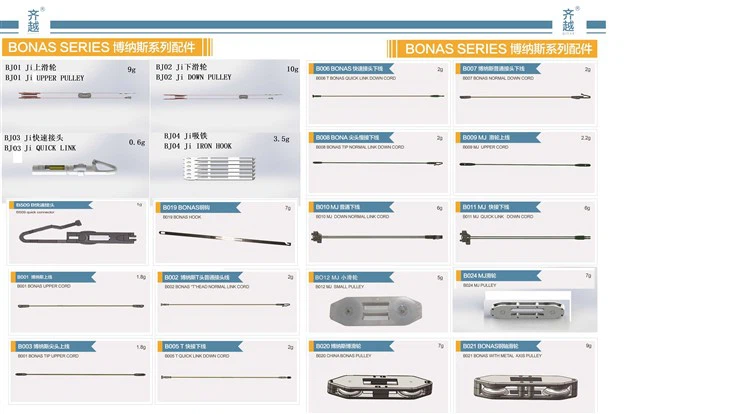
The Bonas Tip Upper Cord is an important part of the jacquard system. The pulleys associated with it need to be made of materials that can handle the tension and movement of the cord. Steel or nylon pulleys are often used here, as they can provide the necessary strength and durability.
The Vanderveer Magnet is another component where the pulleys need to be carefully selected. The material should not interfere with the magnetic field of the magnet. Non - magnetic materials like certain plastics or aluminum are good choices in this case.
The Bonas Magnet also has specific requirements for the pulleys. Similar to the Vanderveer Magnet, non - magnetic materials are preferred to avoid any magnetic interference. And of course, the pulleys need to be durable enough to handle the continuous operation of the machine.
Why Choose Our Jacquard Machine Pulleys
As a supplier, we take great care in selecting the right materials for our Jacquard Machine Pulleys. We understand the importance of all these material properties and how they impact the performance of the jacquard machine.
Our pulleys are made from high - quality materials that are carefully tested to ensure they meet the highest standards. Whether you need a pulley for a small - scale jacquard machine or a large industrial one, we've got you covered.
We also offer a wide range of customization options. If you have specific requirements for friction, durability, or compatibility, we can work with you to develop a pulley that fits your needs perfectly.
Let's Talk Business
If you're in the market for Jacquard Machine Pulleys, I'd love to have a chat with you. Whether you're a textile manufacturer looking to upgrade your machines or a machine builder in need of reliable pulleys, we can provide the solutions you're looking for. Don't hesitate to reach out and start a conversation about your procurement needs.
References
- "Textile Machinery Handbook", various authors, published by a leading textile industry publishing house.
- Industry research reports on jacquard machine components and materials.
- Technical specifications from manufacturers of jacquard machines and related parts.