

Hey there! As a supplier of Electronic Jacquard Machines, I've been getting a lot of questions lately about the difference between mechanical and electronic control systems in Jacquard machines. So, I thought I'd sit down and write a blog post to clear things up.
Let's start with the basics. A Jacquard machine is a device used to create intricate patterns on textiles. It's been around for a long time, and over the years, there have been two main types of control systems: mechanical and electronic.
Mechanical Control Systems
Mechanical Jacquard machines have been around since the early 19th century. They're based on a system of punched cards or chains that control the movement of the warp threads. Each hole in the card or link in the chain represents a specific action, like raising or lowering a warp thread.
One of the biggest advantages of mechanical control systems is their simplicity. They're relatively easy to understand and maintain, and they don't require a lot of technical knowledge. They're also very reliable, and they can last for a long time with proper care.
However, mechanical control systems also have some limitations. For one thing, they're not very flexible. Once you've created a pattern on the punched cards or chains, it's difficult to change it. You have to create a whole new set of cards or chains, which can be time-consuming and expensive.
Another limitation is their speed. Mechanical Jacquard machines are relatively slow compared to electronic ones. They can only produce a certain number of picks per minute, which limits their productivity.
Electronic Control Systems
Electronic Jacquard machines, on the other hand, are a more recent development. They use computer technology to control the movement of the warp threads. Instead of punched cards or chains, they use software programs to create and store patterns.
One of the biggest advantages of electronic control systems is their flexibility. You can easily change a pattern by modifying the software program. You don't have to create a whole new set of cards or chains, which saves time and money.
Another advantage is their speed. Electronic Jacquard machines can produce a much higher number of picks per minute than mechanical ones. This means they can produce more fabric in less time, which increases productivity.
Electronic control systems also offer a lot of other features and benefits. For example, they can be programmed to produce very complex patterns that would be difficult or impossible to create with a mechanical system. They can also be integrated with other computer systems, such as CAD/CAM software, to create a more efficient and automated production process.
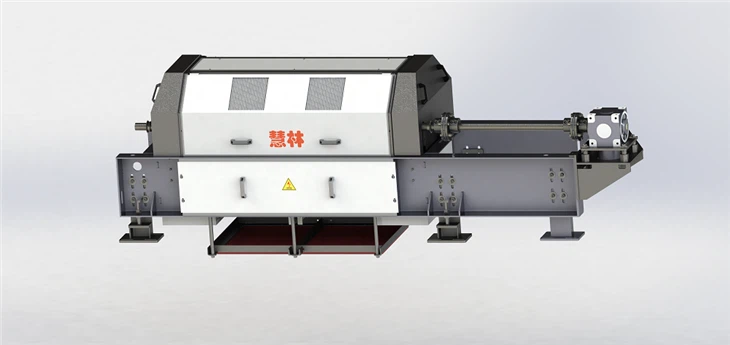

However, electronic control systems also have some drawbacks. For one thing, they're more complex and require more technical knowledge to operate and maintain. They also require a reliable power supply and a stable environment to function properly.
Comparing the Two
So, which type of control system is better? Well, it depends on your specific needs and requirements. If you're looking for a simple, reliable, and inexpensive system that can produce basic patterns, a mechanical control system might be the right choice for you. On the other hand, if you're looking for a more flexible, high-speed, and feature-rich system that can produce complex patterns, an electronic control system might be a better option.
Here's a quick comparison of the two types of control systems:
| Feature | Mechanical Control System | Electronic Control System |
|---|---|---|
| Simplicity | High | Low |
| Flexibility | Low | High |
| Speed | Low | High |
| Pattern Complexity | Low | High |
| Maintenance | Easy | Difficult |
| Cost | Low | High |
Our Electronic Jacquard Machines
As a supplier of Electronic Jacquard Machines, we offer a range of high-quality machines that are designed to meet the needs of different customers. Our machines are equipped with the latest electronic control systems, which offer a lot of features and benefits.
For example, our Saree High Speed Rapier Loom Jaquard Machine is designed specifically for the production of sarees. It's a high-speed machine that can produce up to 600 picks per minute, which makes it very productive. It's also very flexible, and it can be programmed to produce a wide range of patterns.
Our Water Jet Loom Jacquard Machine is another popular machine. It's designed for the production of high-quality fabrics using water jet technology. It's a very efficient machine that can produce a lot of fabric in a short amount of time. It's also very flexible, and it can be programmed to produce a wide range of patterns.
Finally, our Power Jacquard Machine is a versatile machine that can be used for the production of a variety of fabrics. It's a high-speed machine that can produce up to 1000 picks per minute, which makes it very productive. It's also very flexible, and it can be programmed to produce a wide range of patterns.
Conclusion
In conclusion, the difference between mechanical and electronic control systems in Jacquard machines is significant. Mechanical control systems are simple, reliable, and inexpensive, but they're not very flexible or fast. Electronic control systems, on the other hand, are more complex, flexible, and fast, but they're also more expensive and require more technical knowledge.
As a supplier of Electronic Jacquard Machines, we believe that electronic control systems offer a lot of advantages over mechanical ones. They're more flexible, faster, and more efficient, which makes them a better choice for most customers.
If you're interested in learning more about our Electronic Jacquard Machines or if you have any questions about the difference between mechanical and electronic control systems, please don't hesitate to contact us. We'd be happy to help you find the right machine for your needs.
References
- Textile Machinery Handbook
- Jacquard Machine Technology Journal