

As a supplier of Jacquard Modules, understanding the humidity tolerance of these modules is crucial for ensuring their optimal performance and longevity. In this blog post, I will delve into the concept of humidity tolerance for Jacquard Modules, exploring its significance, factors that influence it, and how it impacts the overall functionality of the modules.
Significance of Humidity Tolerance
Humidity, the amount of water vapor present in the air, can have a profound impact on electronic components such as Jacquard Modules. Excessive humidity can lead to a variety of issues, including corrosion, short - circuits, and the growth of mold and mildew. These problems can not only damage the module itself but also disrupt the operations of the machinery in which the Jacquard Module is installed.
On the other hand, extremely low humidity can cause static electricity to build up. Static discharge can damage sensitive electronic components within the Jacquard Module, leading to malfunctions or permanent failure. Therefore, maintaining the humidity within an appropriate range is essential for the reliable operation of Jacquard Modules.
Factors Influencing Humidity Tolerance
1. Component Materials
The materials used in the construction of the Jacquard Module play a significant role in determining its humidity tolerance. For example, some electronic components may be made of metals that are more prone to corrosion in high - humidity environments. Printed circuit boards (PCBs) also need to be protected from moisture, as water can seep into the board and cause short - circuits. Additionally, the type of insulation materials used can affect how well the module resists humidity.
2. Sealing and Enclosure
The quality of the sealing and enclosure of the Jacquard Module is another important factor. A well - sealed module is better protected from external moisture. Some modules are designed with waterproof or moisture - resistant enclosures, which can significantly increase their humidity tolerance. However, over time, the seals may degrade, especially in harsh environments, reducing the module's ability to withstand humidity.

3. Operating Environment
The environment in which the Jacquard Module operates can have a major impact on its humidity tolerance. Modules used in industrial settings, such as textile factories, may be exposed to higher levels of humidity due to the presence of water - based processes like dyeing and washing. In contrast, modules used in a controlled laboratory environment may experience more stable humidity conditions.
Typical Humidity Tolerance Ranges
In general, most Jacquard Modules are designed to operate within a relative humidity range of 20% to 80%. This range allows for a reasonable amount of variation in humidity while still ensuring the reliable performance of the module.
At the lower end of the range (20% - 30% relative humidity), the risk of static electricity is relatively high. To mitigate this, some Jacquard Modules are equipped with anti - static measures, such as grounding straps or static - dissipative materials.
At the upper end of the range (70% - 80% relative humidity), the risk of moisture - related damage increases. In such cases, additional protection may be required, such as the use of desiccants or moisture - proof coatings on the components.
Impact of Humidity on Jacquard Module Functionality
1. Electrical Performance
High humidity can cause a decrease in the electrical insulation resistance of the Jacquard Module. This can lead to leakage currents, which not only waste energy but can also cause malfunctions in the module's control circuits. In extreme cases, it can result in a complete short - circuit, rendering the module inoperable.
2. Mechanical Components
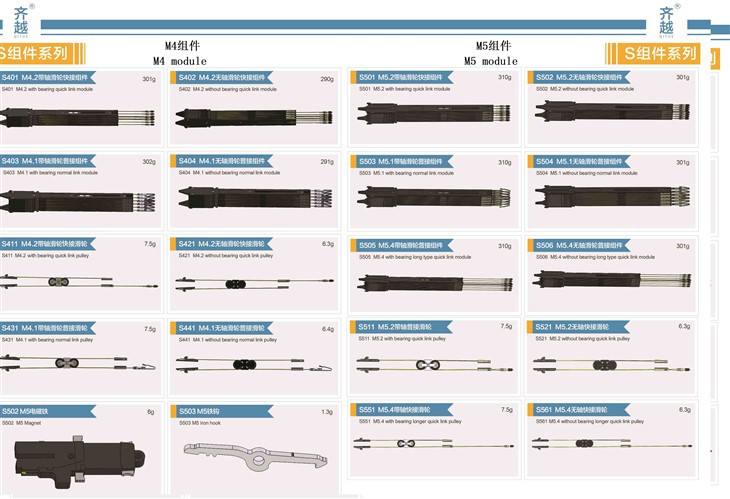
Humidity can also affect the mechanical components of the Jacquard Module. For example, pulleys such as the M5.2 With Bearing Quick Link Pulley and M4.2 With Bearing Normal Link Pulley may experience corrosion in high - humidity environments. This can lead to increased friction, reduced efficiency, and eventually, mechanical failure.
3. Data Integrity
The electronic memory and control systems in the Jacquard Module can be affected by humidity. Moisture can cause data corruption, leading to incorrect patterns being woven or errors in the module's operation. This can have a significant impact on the quality of the final textile product.
Managing Humidity for Jacquard Modules
1. Environmental Control
One of the most effective ways to manage humidity is to control the operating environment. This can be achieved through the use of air - conditioning and dehumidification systems in industrial settings. By maintaining a stable humidity level within the recommended range, the risk of humidity - related damage to the Jacquard Module can be significantly reduced.
2. Protective Measures
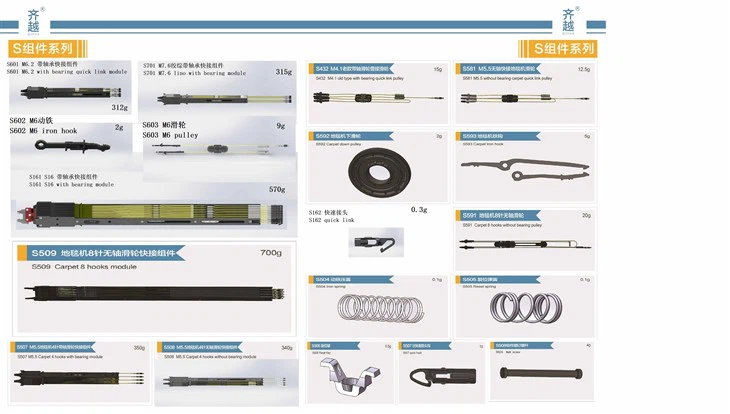
In addition to environmental control, protective measures can be taken at the module level. For example, the use of conformal coatings on PCBs can provide an extra layer of protection against moisture. The Reset Key can also be protected with a moisture - resistant cover to ensure its proper functioning.
3. Regular Maintenance
Regular maintenance is essential for ensuring the long - term performance of Jacquard Modules in varying humidity conditions. This includes inspecting the seals and enclosures for signs of damage, checking for corrosion on mechanical components, and cleaning the module to remove any dust or moisture that may have accumulated.
Conclusion
In conclusion, understanding the humidity tolerance of Jacquard Modules is essential for their reliable operation and longevity. By considering the factors that influence humidity tolerance, such as component materials, sealing, and operating environment, we can take appropriate measures to manage humidity and protect the modules from damage.
As a supplier of Jacquard Modules, we are committed to providing high - quality products that can withstand a wide range of humidity conditions. Our modules are designed with the latest technologies and materials to ensure optimal performance in various environments.
If you are interested in purchasing our Jacquard Modules or have any questions about their humidity tolerance or other specifications, please feel free to contact us for procurement and further discussions. We look forward to working with you to meet your specific needs.
References
- "Handbook of Electronic Component Technology", John Wiley & Sons.
- "Environmental Effects on Electronic Systems", IEEE Press.
- "Textile Machinery and Technology", Woodhead Publishing.