

Hey there! As a supplier of Power Jacquard Machines, I've been getting a lot of questions lately about the difference between mechanical and electronic power jacquard machines. So, I thought I'd take a moment to break it down for you all.
How They Work
Let's start with the mechanical power jacquard machine. These bad boys have been around for ages. They work based on a system of hooks, needles, and punch cards. The punch cards are like the machine's instructions. Each hole on the card tells the machine which warp threads to lift for a particular pattern. When the machine is running, the cards move through a reader. As the holes in the cards line up with the needles, the needles are pushed through, which in turn causes the hooks to lift the corresponding warp threads. It's a bit like an old - school computer, but for weaving!
On the other hand, electronic power jacquard machines are a more modern invention. Instead of punch cards, they use digital control systems. You can input your design into a computer, and the machine reads the digital data to control the lifting of the warp threads. This means you can create incredibly complex and detailed patterns with ease. You can also make changes to the design on the fly, without having to go through the hassle of making new punch cards.
Pattern - Making Capabilities
When it comes to pattern - making, the differences between the two types of machines are pretty significant.
Mechanical jacquard machines are great for traditional and simple patterns. They're reliable for producing patterns that have been used for generations. But they do have their limitations. Changing patterns on a mechanical machine can be time - consuming and labor - intensive. You have to make new punch cards for each new pattern, which can be a slow and costly process. Also, the complexity of the patterns is somewhat restricted by the size and number of holes that can be punched on the cards.
Electronic jacquard machines, however, are a game - changer. They can handle patterns of almost any complexity. You can create detailed images, gradients, and even 3D - looking effects. The ability to edit and modify designs digitally means you can experiment with different patterns quickly and easily. Whether you're making intricate tapestries or unique fashion fabrics, an electronic jacquard machine gives you the creative freedom to bring your ideas to life.
Speed and Efficiency
In terms of speed, electronic power jacquard machines have a clear edge. They can operate at much higher speeds than mechanical machines. The digital control system allows for rapid and precise control of the warp threads, which means the machine can produce fabric at a faster rate. This is especially important for large - scale production.
Mechanical machines, while reliable, are generally slower. The mechanical components have to move in a sequential manner to lift the warp threads, which limits the overall speed of the machine. Also, the process of changing patterns slows down production even more.
Efficiency is another area where electronic machines shine. They require less maintenance compared to mechanical machines. Mechanical machines have a lot of moving parts that can wear out over time, and they need regular lubrication and adjustment. Electronic machines have fewer physical components that are prone to wear and tear, and many of the functions are self - diagnostic, which means you can quickly identify and fix any issues.
Cost
Cost is always a factor when considering which type of machine to invest in.

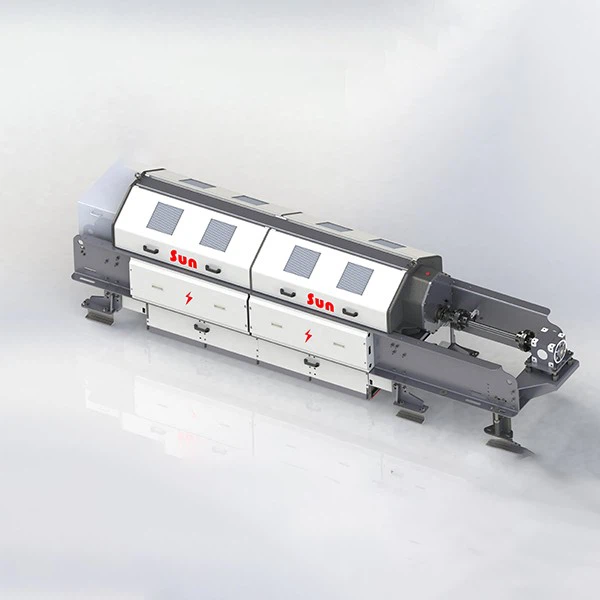
Mechanical jacquard machines are usually less expensive upfront. They have a simpler design and fewer high - tech components, which means the initial purchase price is lower. However, the long - term costs can add up. The cost of making punch cards for different patterns can be significant, especially if you're constantly changing your designs. Also, the maintenance and repair costs of mechanical machines can be high due to the complexity of the mechanical parts.
Electronic power jacquard machines are more expensive to buy initially. But in the long run, they can be more cost - effective. You save on the cost of punch cards, and the reduced maintenance requirements mean lower ongoing costs. Also, the higher production speed can lead to increased output and potentially higher profits.
Applications
Both types of machines have their own niches in the textile industry.
Mechanical jacquard machines are still widely used in some traditional textile - making regions. They're perfect for producing classic fabrics like brocades, damasks, and some types of upholstery fabrics. These machines are also popular among small - scale weavers who want to create traditional and artisanal products.
Electronic jacquard machines are used in a wide range of applications. They're commonly found in large - scale textile factories for mass - producing high - quality fabrics. They're also used in the fashion industry for creating unique and trendy clothing items. Additionally, they're great for making High speed jacquard machine, Wall Cloth Jacquard Machine, and Rapier Loom with Electronic Jacquard.
Durability and Reliability
Mechanical jacquard machines have a reputation for being durable. They've been around for a long time, and their simple mechanical designs mean they can withstand a lot of wear and tear. With proper maintenance, a mechanical machine can last for decades. However, as mentioned earlier, the maintenance can be a challenge.
Electronic jacquard machines are also reliable, but in a different way. The digital control systems are designed to be stable and accurate. They're less likely to break down due to mechanical failures. But they do rely on software and electronics, which can be vulnerable to glitches and malfunctions. However, most modern electronic machines come with advanced diagnostic tools to quickly identify and fix any issues.
Which One Should You Choose?
So, which type of power jacquard machine is right for you? Well, it depends on your specific needs.
If you're a small - scale weaver or a traditional textile producer who focuses on classic patterns, a mechanical jacquard machine might be a good choice. It's a cost - effective option, and it has a certain charm and authenticity.
If you're a large - scale manufacturer or a designer who wants to create complex and innovative patterns, an electronic jacquard machine is the way to go. The speed, efficiency, and pattern - making capabilities of electronic machines make them a valuable investment for businesses looking to stay competitive in the modern textile market.
As a supplier of power jacquard machines, I can help you make the right decision. Whether you're interested in a mechanical or an electronic machine, I have a wide range of options to suit your needs. If you're thinking about purchasing a power jacquard machine, I'd love to have a chat with you. We can discuss your requirements, and I can show you the different models and features we offer. So, don't hesitate to reach out and start the conversation about finding the perfect machine for your business.
References
- Textile Machinery Handbook, various editions
- Journal of Textile Engineering and Technology, multiple issues
- Industry reports on power jacquard machines from leading market research firms