

As a seasoned supplier of Electronic Jacquard systems, I've witnessed firsthand the remarkable evolution of this technology and its profound impact on the textile industry. The precision of electronic jacquard in pattern reproduction is a topic that not only fascinates me but also holds significant importance for textile manufacturers worldwide. In this blog, I'll delve into the intricacies of this precision, exploring its definition, the factors that influence it, and its implications for the industry.
Defining Precision in Electronic Jacquard Pattern Reproduction
Precision in electronic jacquard pattern reproduction refers to the ability of the jacquard system to accurately translate a digital pattern design into a woven or knitted textile. It encompasses several key aspects, including the fidelity of color representation, the sharpness of pattern edges, and the consistency of pattern repeats across the fabric. A high - precision system ensures that the final textile closely matches the original design, with minimal deviations or errors.
Factors Influencing Precision
1. Mechanical Components
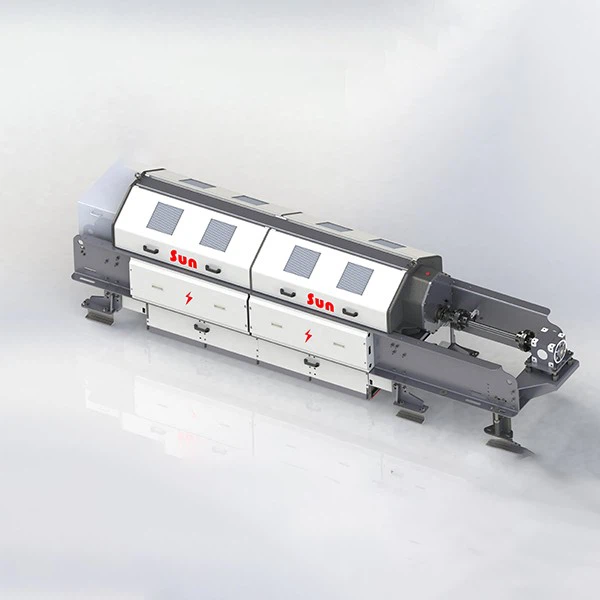
The mechanical components of an electronic jacquard system play a crucial role in determining precision. For instance, the quality of the harness cords, needles, and hooks directly affects the movement of the warp threads. A well - engineered Power Jacquard Machine with high - quality mechanical parts can ensure smooth and accurate thread manipulation, leading to precise pattern reproduction. The Carpet Down Pulley is another important component; it must be designed to provide consistent tension to the warp threads, which is essential for maintaining pattern accuracy.

2. Electronic Control System
The electronic control system is the brain of the electronic jacquard. It interprets the digital pattern data and sends signals to the mechanical components to control the movement of the warp threads. Advanced control systems use high - speed processors and sophisticated algorithms to ensure real - time and accurate pattern execution. For example, they can compensate for any minor mechanical variations or delays, resulting in a more precise reproduction of the pattern.
3. Software and Design Tools
The software used to create and edit patterns also has a significant impact on precision. Modern pattern design software allows designers to create highly detailed and complex patterns with a high degree of accuracy. These tools offer features such as color management, pattern editing, and simulation, which help designers visualize the final product before production. Moreover, the software can communicate seamlessly with the electronic jacquard system, ensuring that the pattern data is transferred accurately.
4. Yarn and Fabric Characteristics
The type of yarn and fabric being used can affect the precision of pattern reproduction. Different yarns have different physical properties, such as thickness, elasticity, and colorfastness. These properties can influence how the yarn behaves during the weaving or knitting process and how the pattern is ultimately displayed on the fabric. For example, a fine - gauge yarn may allow for more detailed pattern reproduction compared to a thick, bulky yarn.
Measuring Precision
There are several ways to measure the precision of electronic jacquard in pattern reproduction. One common method is to compare the digital pattern design with the actual woven or knitted fabric using visual inspection and image analysis techniques. Metrics such as color accuracy, pattern edge sharpness, and pattern repeat consistency can be quantified and compared to predefined standards. Another approach is to use automated testing equipment that can measure the physical properties of the fabric, such as thread density and tension, to assess the quality of pattern reproduction.
Implications for the Textile Industry
1. Quality and Aesthetics
High - precision electronic jacquard technology enables textile manufacturers to produce fabrics with superior quality and aesthetics. Precise pattern reproduction results in fabrics that are more visually appealing, with sharp, clear patterns and accurate color representation. This can enhance the marketability of the products and meet the increasing consumer demand for high - quality textiles.
2. Efficiency and Productivity
Precision in pattern reproduction also leads to increased efficiency and productivity. With accurate pattern execution, there is less waste due to pattern errors or rework. Additionally, modern High speed jacquard machine can operate at high speeds while maintaining precision, allowing manufacturers to produce more fabrics in less time.
3. Innovation and Customization
The ability to reproduce patterns with high precision opens up new possibilities for innovation and customization in the textile industry. Designers can create more complex and unique patterns, and manufacturers can offer customized products to their customers. This can help companies differentiate themselves in the market and meet the diverse needs of consumers.
Contact for Procurement and Collaboration
If you're in the textile industry and looking to enhance your pattern reproduction capabilities, we'd love to talk to you. Our company specializes in providing high - quality Electronic Jacquard systems that offer exceptional precision in pattern reproduction. Whether you're a small - scale artisanal weaver or a large - scale textile manufacturer, our products can be tailored to meet your specific needs.
Contact us to discuss your requirements, request a product demonstration, or get a quote. Our team of experts is ready to assist you in finding the perfect solution for your business. Let's work together to take your textile production to the next level.
References
- Textile Machinery Handbook, various editions.
- Journal of Textile Research, multiple issues on electronic jacquard technology.
- Industry reports on the latest trends in textile manufacturing technology.